There’s something about the smell of slow-cooked pork that fills the whole kitchen with warmth. I remember the first time I made carnitas at home—the meat was tender, but it was missing that signature crisp edge you get at a good taqueria.
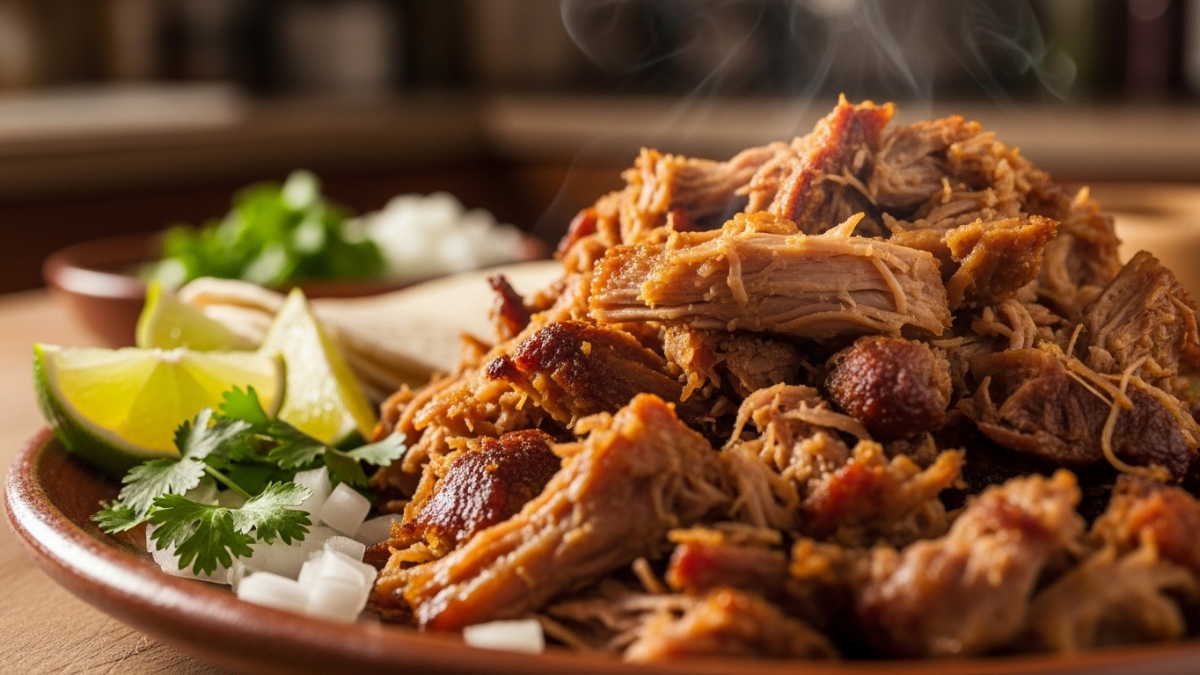
That balance—juicy on the inside, crispy on the outside—is what makes carnitas truly special. This recipe focuses on getting both textures right, using simple ingredients and a method you can trust every time.
WHY THIS RECIPE WORKS
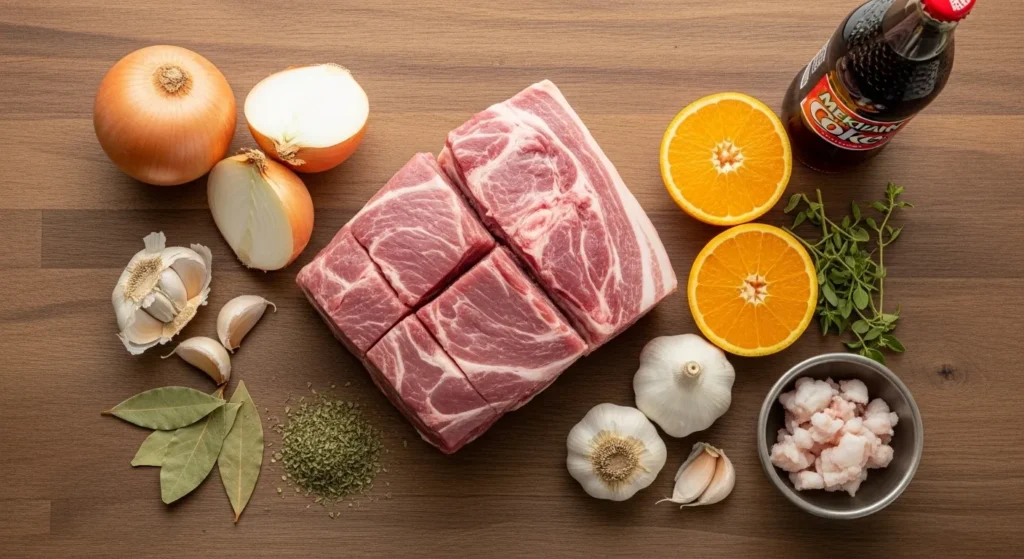
This method keeps things simple but intentional. Slow cooking allows the pork to become tender without drying out, while a final crisping step builds that golden texture.
Using citrus and aromatics adds depth without overpowering the meat. The fat renders gradually, keeping everything moist. You’re not rushing the process, and that’s what makes the result reliable and consistent.
INGREDIENTS
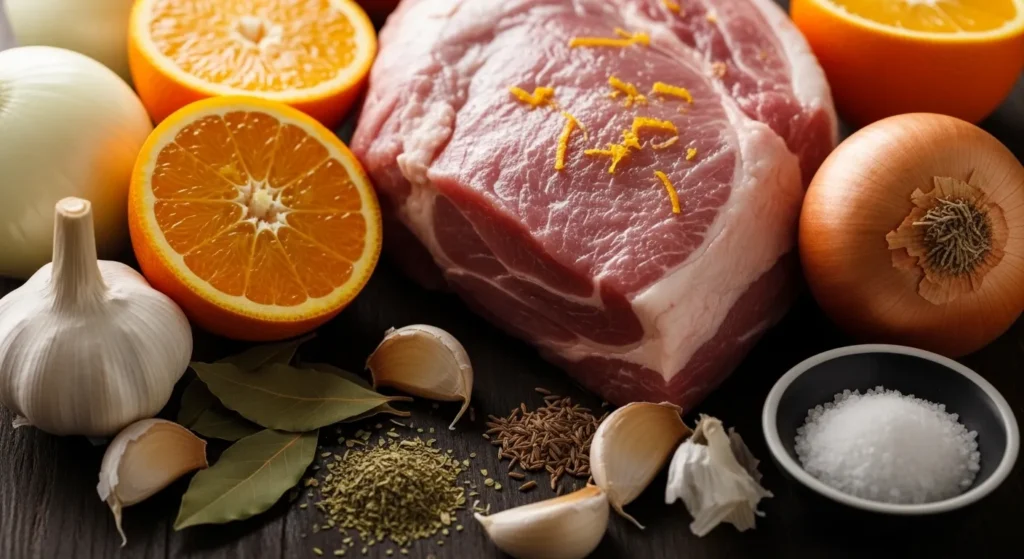
- 3–4 lbs pork shoulder (also called pork butt), cut into large chunks
- 1 tablespoon salt
- 1 teaspoon black pepper
- 1 teaspoon ground cumin
- 1 teaspoon dried oregano
- 1 orange, cut into halves (fresh is best)
- 1 lime, juiced
- 4 cloves garlic, smashed
- 1 small onion, roughly chopped
- 2 bay leaves
- 1 cup water or chicken broth
STEP-BY-STEP INSTRUCTIONS
Start by seasoning the pork pieces with salt, pepper, cumin, and oregano. Rub everything in well so each piece is coated. You should already start to smell the warm spices coming through.
Place the pork into a heavy pot or Dutch oven. Add the orange halves (squeeze them lightly first), lime juice, garlic, onion, and bay leaves. Pour in the water or broth to keep things moist as it cooks.
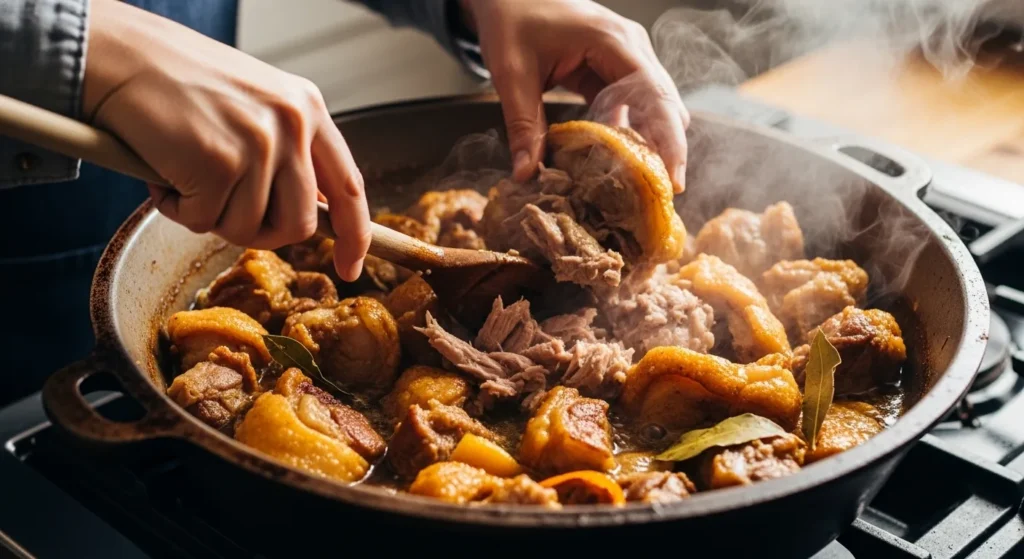
Bring everything to a gentle simmer over medium heat. Once it starts bubbling lightly, reduce the heat to low and cover. Let it cook slowly for about 2 to 3 hours, until the pork is tender and easily pulls apart.
Remove the lid and allow the liquid to reduce. You’ll notice the fat beginning to separate and the edges of the pork starting to brown slightly. This is where the flavor deepens.
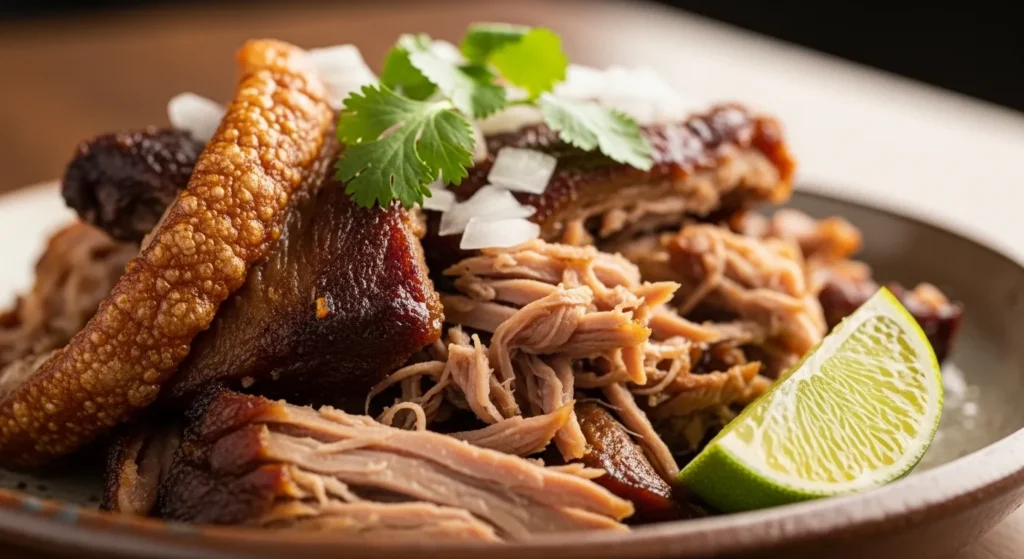
For the final step, transfer the pork to a baking sheet and shred it lightly with a fork. Spread it out and broil for 5–8 minutes until the edges turn crispy and golden. Keep an eye on it so it doesn’t burn.
TIPS FOR BEST RESULTS
Don’t rush the slow cooking step. Low heat is what makes the pork tender and juicy. If the heat is too high, the meat can dry out before it softens.
Keep some of the rendered fat. It helps during the crisping stage and adds flavor. You don’t need a lot, just enough to coat the meat lightly.
Fresh citrus makes a noticeable difference. Bottled juice works in a pinch, but fresh orange and lime bring a brighter, more natural flavor.
COMMON MISTAKES TO AVOID
Cooking on high heat to save time often leads to tough meat. Carnitas need patience to break down properly.
Skipping the crisping step is another common issue. The texture won’t feel complete without that final golden edge.
Adding too much liquid can dilute the flavor. You want enough to cook the meat, not drown it.
VARIATIONS YOU CAN TRY
For a lighter version, trim excess fat from the pork and use broth instead of relying on rendered fat. The texture will still be tender, just slightly less rich.
If you like heat, add chopped jalapeños or a pinch of chili flakes during cooking. It builds a gentle warmth without overpowering the dish.
Short on time? Use a pressure cooker to tenderize the pork faster, then finish it under the broiler for crispiness.
For dietary swaps, you can try a similar method with chicken thighs, though the flavor will be lighter.
HOW TO STORE AND REHEAT
Store leftover carnitas in an airtight container in the fridge for up to 4 days. Keep a bit of the cooking juices with the meat to prevent it from drying out.
For longer storage, freeze portions for up to 2 months. Thaw overnight in the fridge before reheating.
To reheat, warm the meat in a skillet over medium heat. Let it crisp again slightly for the best texture instead of microwaving.
CONCLUSION
Carnitas don’t need complicated steps to turn out well. With a little patience and the right finish, you get meat that’s tender, flavorful, and perfectly crisp in all the right places.
It’s the kind of recipe you can come back to anytime and trust it to work.
FAQ
Can I use a different cut of pork?
Pork shoulder works best because of its fat content. Leaner cuts may turn out dry.
Do I need to use orange juice?
Yes, it adds subtle sweetness and balances the savory flavors. Fresh orange is ideal.
How do I make carnitas extra crispy?
Spread the meat out and broil it in a single layer. Avoid overcrowding.
Can I make this in advance?
Yes, and it reheats well. You can crisp it fresh just before serving.