If you’ve ever made refried beans at home and ended up with something dry, bland, or overly pasty, you’re not alone. Many people assume refried beans are just mashed beans with a bit of seasoning, but the reality is far more nuanced. The texture, flavor depth, and cooking method all play a critical role in getting them right.
Authentic refried beans are creamy, rich, and deeply satisfying without being heavy. They’re a staple in many kitchens across the U.S., whether served as a side dish, taco filling, or part of a larger meal. In this guide, you’ll learn exactly how to make authentic refried beans from scratch, understand what makes them different, and avoid the common mistakes that lead to disappointing results.
Understanding the Topic Clearly
Refried beans, often made from pinto beans, are not actually “fried twice” as the name suggests. The term comes from the Spanish word refritos, which means “well fried” or “intensely cooked.” In practice, the beans are first cooked until tender and then gently fried and mashed in fat to develop flavor and texture.
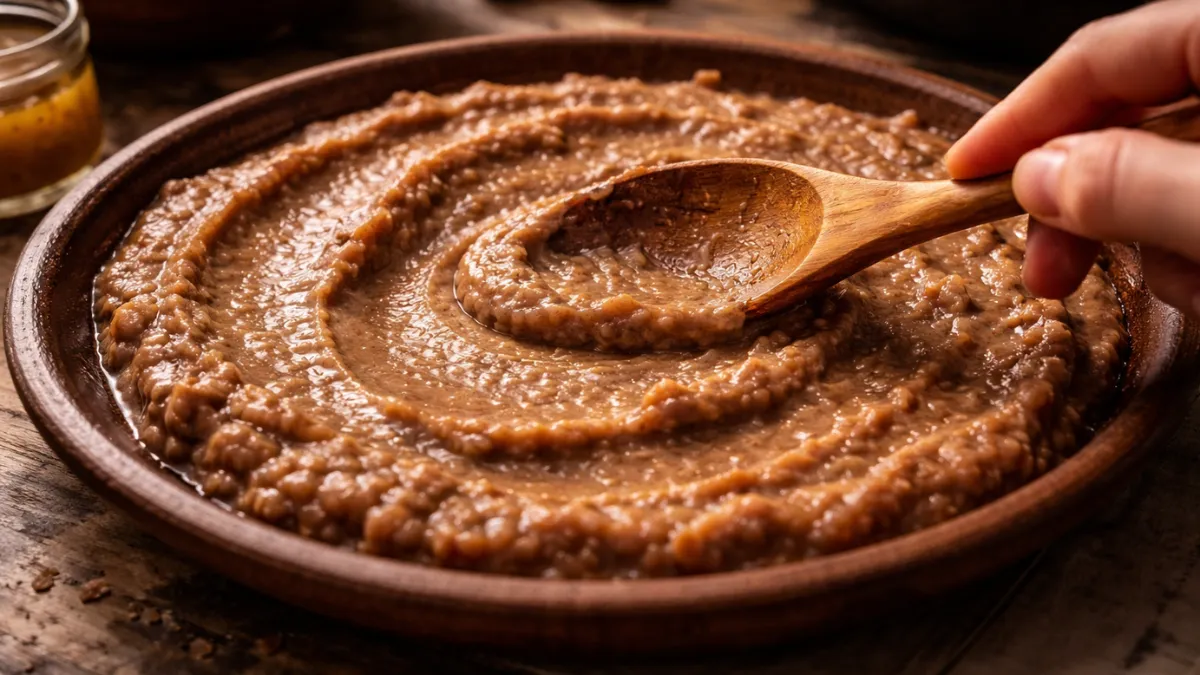
What makes authentic refried beans stand out is their simplicity. They rely on a few core ingredients—beans, fat, aromatics, and salt—but the technique transforms them into something far more flavorful than the sum of their parts. When done correctly, they should be smooth yet slightly textured, with a balanced richness that doesn’t overpower.
For beginners, the confusion often comes from store-bought versions, which can be overly thick, salty, or processed. Homemade refried beans offer a cleaner taste and allow you to control every element, from seasoning to consistency.
Why This Problem or Topic Matters
Refried beans are more than just a side dish. In many households, they are a foundational component of everyday meals, especially in dishes like burritos, tostadas, and rice bowls. When they’re done well, they elevate the entire meal. When they’re not, they can make everything feel flat.
In the U.S., many people rely on canned refried beans for convenience. While these can be useful, they often lack freshness and depth. Learning to make refried beans from scratch gives you a noticeable improvement in taste and texture without requiring complicated ingredients or techniques.
This also matters from a practical standpoint. Beans are affordable, nutritious, and versatile. Mastering this recipe means you can create a reliable, budget-friendly dish that works for quick weeknight meals or larger gatherings.
Key Features / Core Explanation
Authentic refried beans are defined by a few key elements that work together to create their signature flavor and texture.
The first is the type of beans used. Pinto beans are the most traditional choice because of their creamy interior and mild flavor. Black beans can also be used, but they produce a slightly different taste and texture.
The second is the cooking liquid. Beans should be cooked in water with aromatics like onion and garlic. This liquid becomes flavorful and is later used to adjust the consistency of the refried beans. Using plain water without seasoning often leads to bland results.
The third is the fat. Traditional recipes often use lard, which adds a rich, savory depth. However, vegetable oil or butter can be used as alternatives. The key is to use enough fat to coat the beans and help them break down smoothly.
The fourth is texture control. Authentic refried beans are not completely pureed. They should have a creamy base with a slight rustic feel. Over-blending can make them gluey, while under-mashing can leave them too chunky.
Finally, seasoning plays a crucial role. Salt should be added thoughtfully, especially if you’re using the bean cooking liquid. Some recipes include cumin or chili powder, but authentic versions often keep seasoning minimal to let the beans shine.
Step-by-Step Guide / Practical Application
Start by rinsing and soaking one cup of dried pinto beans for at least 6–8 hours or overnight. This helps them cook evenly and reduces cooking time. If you’re short on time, a quick soak method using hot water for one hour can work as well.
Drain the soaked beans and place them in a pot with fresh water. Add half an onion and a couple of garlic cloves. Bring the mixture to a boil, then reduce to a simmer and cook until the beans are very tender, usually about 1.5 to 2 hours. The beans should easily mash between your fingers.
Once cooked, reserve about one cup of the cooking liquid and drain the rest. Remove the onion and garlic if you prefer a smoother flavor, or leave them in for added depth.
In a large skillet, heat 2–3 tablespoons of fat over medium heat. Add a small amount of finely chopped onion and cook until soft and translucent. This step builds a base layer of flavor.
Add the cooked beans to the skillet. Begin mashing them gently with a potato masher or the back of a spoon. As you mash, gradually add the reserved cooking liquid to achieve a creamy consistency. The beans should be thick but spreadable.
Continue cooking and stirring for several minutes. This allows the flavors to meld and the beans to absorb the fat. Taste and adjust with salt as needed. If desired, add a pinch of cumin or chili powder, but keep it subtle.
Remove from heat once the beans reach your desired texture. They will thicken slightly as they cool, so it’s better to leave them a bit looser in the pan.
Common Mistakes to Avoid
One common mistake is skipping the soaking step. While it’s possible to cook beans without soaking, doing so often leads to uneven texture and longer cooking times. Soaking helps ensure consistent results.
Another issue is undercooking the beans. If the beans are not fully tender before mashing, the final texture will be grainy rather than creamy. Always test a few beans to make sure they are soft throughout.
Using too little fat is another frequent problem. Fat is essential for creating the smooth, rich texture that defines refried beans. Without enough, the beans can feel dry and lack depth.
Over-mashing is also a concern. Turning the beans into a completely smooth paste removes their natural character. Aim for a balance between creamy and slightly textured.
Finally, adding too much seasoning can overpower the beans. Authentic refried beans rely on the natural flavor of the beans themselves. Keep spices minimal and focus on balance.
Tips to Get Better Results
Use freshly cooked beans whenever possible. While canned beans can be used in a pinch, they often lack the depth of flavor that comes from cooking beans from scratch.
Save your cooking liquid. This starchy, flavorful liquid is the best way to adjust consistency without diluting taste. Adding plain water can weaken the overall flavor.
Cook the beans slowly after mashing. This step allows the fat to integrate fully and creates a smoother texture. Rushing this process can leave the beans uneven.
Taste as you go. Small adjustments in salt or consistency can make a big difference. Don’t wait until the end to correct seasoning.
If you prefer a lighter version, you can reduce the amount of fat slightly and still achieve good results. Just be mindful that texture and richness may change.
Pros and Limitations
Homemade refried beans offer clear advantages. They have a fresher taste, better texture, and allow full control over ingredients. They are also cost-effective, making them a practical choice for regular meals.
However, they do require time, especially if you’re starting with dried beans. Soaking and cooking can take several hours, which may not fit into every schedule.
There is also a learning curve in getting the texture just right. The balance between creamy and thick can take a few attempts to master. Once you understand the process, though, it becomes much easier.
Real-Life Example or Use Case
Imagine preparing a simple taco night at home. You have fresh tortillas, grilled chicken, and a few toppings. If you use store-bought refried beans, they may taste flat or overly processed, which can affect the overall meal.
Now consider serving the same meal with homemade refried beans. The beans are creamy, warm, and full of flavor. They spread easily on the tortilla and complement the other ingredients without overpowering them. The difference is noticeable, even if the rest of the meal stays the same.
Conclusion
Authentic refried beans are simple in ingredients but require attention to detail in preparation. From properly cooking the beans to using the right amount of fat and achieving the perfect texture, each step contributes to the final result.
By following a clear process and avoiding common mistakes, you can create refried beans that are creamy, rich, and genuinely satisfying. They add value to everyday meals and give you a reliable, versatile dish that works in many situations.
Once you master this recipe, it becomes a dependable part of your cooking routine. Instead of settling for store-bought options, you’ll have the confidence to make refried beans that truly enhance your meals.
FAQ’s
Can I use canned beans instead of dried beans?
Yes, canned beans can be used for convenience. Rinse them well and use a bit of broth or water to adjust consistency. However, the flavor may not be as rich as using dried beans.
What is the best fat to use for authentic flavor?
Lard is traditionally used and provides the most authentic taste. Vegetable oil or butter can be used as alternatives, depending on your preference.
How do I make refried beans smoother?
Mash the beans thoroughly and add more cooking liquid gradually. Cooking them a bit longer while stirring also helps create a smoother texture.
Can I make refried beans ahead of time?
Yes, they store well in the refrigerator for up to 4–5 days. Reheat them gently and add a little liquid to restore their creamy consistency.