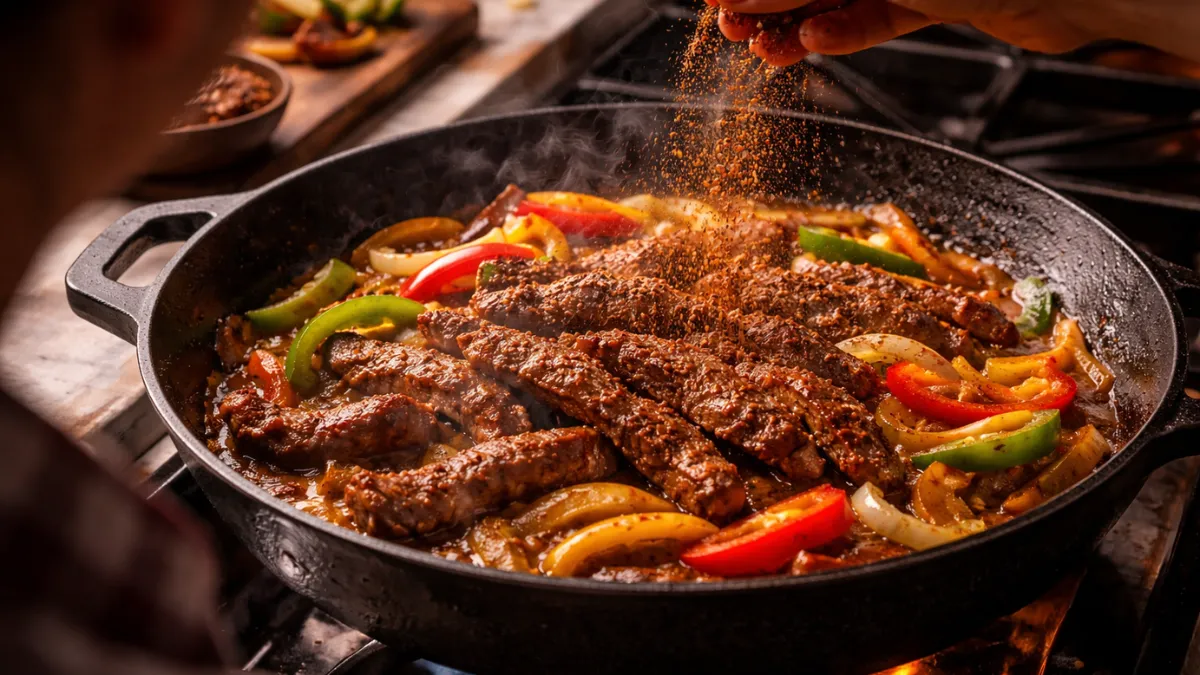
Many home cooks try to recreate restaurant-style Mexican fajitas but end up with bland meat, soggy vegetables, or uneven flavors. The biggest frustration is usually the seasoning—it either tastes too weak or overly salty without that balanced, smoky depth people expect.
The truth is, great fajitas are not complicated, but they require the right approach to seasoning, timing, and cooking technique. When done correctly, fajitas deliver juicy, flavorful meat with perfectly charred vegetables and a bold, balanced taste.
In this guide, you’ll learn exactly how to make Mexican fajitas with perfect seasoning at home. From understanding ingredients to mastering cooking steps, this article will give you everything you need to get consistent, restaurant-quality results.
Understanding the Topic Clearly
Mexican fajitas are a dish made with grilled or seared meat—typically beef, chicken, or shrimp—served with sautéed peppers and onions, usually wrapped in tortillas. What makes fajitas stand out is their seasoning and cooking method.
The seasoning is a blend of spices like chili powder, cumin, garlic, and paprika, often combined with citrus juice or oil. This combination enhances the natural flavor of the meat instead of overpowering it.
For beginners, the confusion often comes from mixing up fajita seasoning with taco seasoning. While similar, fajita seasoning is usually lighter, more aromatic, and less heavy on salt or fillers.
Understanding this difference is important because the goal of fajitas is balance—bold but not overwhelming, smoky but still fresh.
Why This Problem or Topic Matters
Getting the seasoning right is what separates average fajitas from truly satisfying ones. Poor seasoning can make even high-quality meat taste dull, while balanced seasoning enhances every bite.
In real-life situations, this matters more than people realize. For example, if you’re cooking for family or guests, fajitas are often chosen because they are simple and customizable. But if the seasoning is off, the entire dish feels incomplete.
In the U.S., many store-bought seasoning mixes are high in sodium and additives. Relying on those can limit your control over flavor and health. Learning to make your own seasoning gives you flexibility and better results.
Mastering this skill also saves money and reduces dependency on takeout, making it both practical and rewarding.
Key Features / Core Explanation
Perfect fajita seasoning is built on a few core elements that work together to create depth and balance.
The first element is spices. A typical blend includes chili powder, cumin, smoked paprika, garlic powder, onion powder, and a touch of oregano. These create the base flavor.
The second element is acidity. Lime juice or vinegar adds brightness and helps tenderize the meat, making it more flavorful and juicy.
The third element is fat. Oil carries the spices and ensures even coating. It also helps create that desirable sear when cooking.
The fourth element is heat control. Cooking at high heat allows the seasoning to develop a slightly charred, smoky flavor without burning.
Finally, timing plays a key role. Letting the meat marinate for at least 20–30 minutes allows the seasoning to penetrate properly.
When these elements are balanced, the result is a rich, layered flavor that feels both bold and natural.
Step-by-Step Guide / Practical Application
Start by choosing your protein. Chicken breast, chicken thighs, flank steak, or shrimp all work well. For beginners, chicken thighs are often the easiest because they stay juicy.
Prepare the seasoning mix by combining chili powder, cumin, smoked paprika, garlic powder, onion powder, salt, and black pepper. Add a small amount of oregano for extra depth.
In a bowl, mix the seasoning with olive oil and fresh lime juice to form a marinade. Coat the meat evenly and let it rest for at least 30 minutes. If you have time, refrigerate for a few hours for deeper flavor.
Slice bell peppers and onions into thin strips. Use a mix of red, yellow, and green peppers for better flavor and color.
Heat a heavy pan or cast iron skillet on high heat. Add a small amount of oil and cook the meat first. Let it sear without moving too much to develop a crust.
Once cooked, remove the meat and let it rest. In the same pan, cook the peppers and onions until slightly charred but still crisp.
Slice the meat against the grain and combine it with the vegetables. Serve immediately with warm tortillas.
This method ensures proper seasoning absorption, balanced texture, and a restaurant-style finish.
Common Mistakes to Avoid
One common mistake is using too much seasoning at once. This can make the dish overly salty or bitter. It’s better to start balanced and adjust later.
Another mistake is skipping the marinade time. Cooking immediately after adding spices doesn’t allow flavors to develop properly.
Overcrowding the pan is also a frequent issue. When too much meat is added at once, it steams instead of sears, resulting in a dull texture.
Using low heat is another problem. Fajitas need high heat to create that signature char and smoky flavor.
Finally, overcooking vegetables can ruin the dish. They should remain slightly crisp to contrast with the meat.
Avoiding these mistakes can dramatically improve your results.
Tips to Get Better Results
Use fresh lime juice instead of bottled versions. It provides a cleaner, brighter flavor that enhances the seasoning.
Let the meat rest after cooking. This helps retain juices and keeps the texture tender.
If possible, use a cast iron skillet. It retains heat better and creates a more authentic sear.
Slice meat against the grain. This simple step makes a big difference in tenderness, especially for beef.
Add a pinch of sugar or honey to the marinade if you want a slightly caramelized finish. This works well for chicken.
Warm your tortillas before serving. It improves both taste and texture, making the overall dish more enjoyable.
These small adjustments can take your fajitas from good to excellent.
Pros and Limitations
Making fajitas at home gives you full control over ingredients, flavor, and portion size. It’s a flexible dish that can be customized for different diets and preferences.
It is also relatively quick to prepare once you understand the process. Most of the time is spent on marination, not active cooking.
However, there are some limitations. Achieving restaurant-level char can be harder without high-heat equipment.
Another limitation is ingredient availability. Some spices or cuts of meat may vary depending on location.
Despite these minor challenges, the overall process remains simple and accessible for most home cooks.
Real-Life Example or Use Case
Imagine preparing a quick dinner after work for your family. You want something flavorful but not too complicated.
By using this method, you can marinate chicken in the morning, then cook everything in under 20 minutes in the evening. The result is a meal that feels fresh, satisfying, and homemade.
In many U.S. households, fajitas are also popular for casual gatherings. Guests can build their own tortillas, making it interactive and convenient.
This approach works equally well for small dinners or larger meals, making it a practical everyday solution.
Conclusion
Making Mexican fajitas with perfect seasoning is less about complexity and more about understanding balance. When you combine the right spices, proper marination, and high-heat cooking, the results are consistently flavorful and satisfying.
By avoiding common mistakes and applying practical techniques, you can recreate restaurant-quality fajitas at home with confidence. The process is simple, flexible, and well-suited for everyday cooking.
Once you master these basics, fajitas become a reliable, go-to meal that delivers both convenience and great taste every time.
FAQ’s
What is the best meat for fajitas?
Chicken thighs and flank steak are the most popular choices. Chicken thighs are easier to cook, while flank steak offers a richer flavor.
Can I use store-bought fajita seasoning?
Yes, but homemade seasoning gives you better control over salt and flavor. It also avoids unnecessary additives.
How long should I marinate the meat?
At least 30 minutes is recommended. For deeper flavor, marinate for 2–4 hours in the refrigerator.
Why are my fajitas not flavorful enough?
This usually happens due to insufficient seasoning, lack of marination, or low cooking heat. Adjusting these factors can improve results.