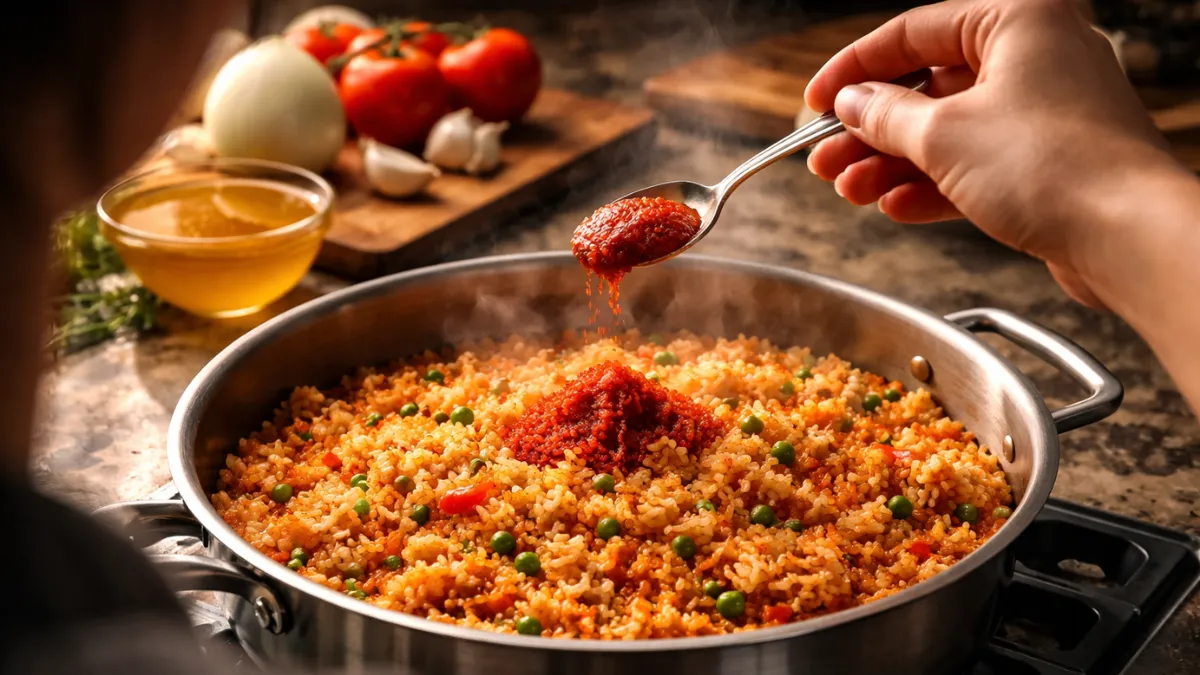
If you’ve ever tried to recreate Mexican rice at home, you’ve probably run into the same frustrating problem. The rice looks right, but something feels off. It lacks that deep, slightly savory flavor you remember from restaurants or authentic home cooking.
Many recipes focus on technique—how to toast the rice, how much water to use, or how long to cook it. While those steps matter, they often overlook one small but critical detail that changes everything.
In this guide, you’ll learn about the one ingredient that gives Mexican rice its authentic taste. More importantly, you’ll understand why it works, how to use it correctly, and how to avoid the common mistakes that prevent your rice from tasting truly authentic.
Understanding the Topic Clearly
Mexican rice, often called “arroz rojo,” is not just plain rice with tomatoes. It’s a carefully layered dish where flavor builds from the base up.
At its core, authentic Mexican rice relies on three elements: properly toasted rice, a tomato-based liquid, and a rich cooking medium. The ingredient that often gets overlooked—but makes a noticeable difference—is chicken broth.
Chicken broth replaces plain water in traditional recipes. Instead of neutral hydration, it brings depth, salt balance, and a subtle savory richness that transforms the dish.
For vegetarians, a well-seasoned vegetable broth can serve a similar purpose, but the key idea remains the same: the liquid should carry flavor, not just moisture.
Why This Problem or Topic Matters
When people use water instead of broth, the rice can taste flat, even if all other steps are done correctly. This is one of the most common reasons homemade Mexican rice doesn’t match restaurant quality.
In real-life cooking situations, especially in the U.S., many home cooks rely on quick recipes that skip broth for convenience. The result is rice that looks authentic but lacks the signature depth.
Understanding the role of broth solves this problem immediately. It allows you to improve your results without adding complexity or expensive ingredients.
This is especially useful for busy households. Whether you’re preparing a weeknight dinner or cooking for guests, a simple swap like this can elevate the entire meal.
Key Features / Core Explanation
The importance of chicken broth in Mexican rice comes down to how flavor is absorbed during cooking.
First, rice acts like a sponge. As it cooks, it absorbs whatever liquid it’s in. If that liquid is plain water, the rice remains neutral. If it’s broth, the grains take on a rich, layered taste.
Second, broth adds natural umami. This savory depth is what makes restaurant-style rice feel more satisfying. It’s not overpowering, but it’s noticeable.
Third, broth contributes balanced seasoning. A good broth already contains salt, aromatics, and sometimes herbs. This reduces the need for heavy seasoning later and creates a more cohesive flavor.
Finally, broth enhances aroma. When the rice cooks, the steam carries subtle savory notes, making the dish smell as good as it tastes.
Step-by-Step Guide / Practical Application
Start by choosing long-grain white rice. This type stays separate and fluffy, which is essential for authentic texture.
Rinse the rice lightly if needed, then let it dry. Dry grains toast better and absorb flavor more evenly.
Heat oil in a pan over medium heat. Add the rice and toast it until it turns light golden. This step builds a nutty base flavor and prevents mushy texture.
Blend tomatoes, onion, and garlic into a smooth mixture. This will form the flavor base.
Pour the tomato mixture into the pan carefully. Let it cook briefly until it thickens slightly and loses its raw taste.
Now add chicken broth instead of water. Use the same ratio you would normally use for rice, but ensure the broth is well-seasoned.
Stir gently, bring to a boil, then reduce heat to low. Cover the pan and let it cook undisturbed.
Once the liquid is absorbed, turn off the heat and let the rice rest for a few minutes. This helps the grains firm up and separate.
Fluff the rice with a fork before serving.
Common Mistakes to Avoid
One of the biggest mistakes is using water instead of broth. This leads to bland results, even if everything else is done correctly.
Another common issue is under-seasoned broth. If the broth lacks salt or flavor, the rice will still taste flat. Always taste your broth before using it.
Skipping the toasting step is another problem. Untoasted rice absorbs liquid unevenly and can become sticky instead of fluffy.
Adding too much liquid can make the rice mushy. Stick to proper ratios and avoid the temptation to “fix” dryness by adding extra liquid mid-cooking.
Finally, stirring the rice too often during cooking can break the grains and ruin the texture.
Tips to Get Better Results
Use homemade or high-quality store-bought chicken broth. The better the broth, the better the final dish.
Add a small amount of tomato paste along with fresh tomatoes for deeper color and flavor.
Cook the rice on low heat once it starts simmering. High heat can cause uneven cooking and burnt bottoms.
Let the rice rest after cooking. This step is often skipped, but it makes a noticeable difference in texture.
For extra flavor, sauté onions or garlic in the oil before adding the rice. This builds another layer of taste without complicating the recipe.
Pros and Limitations
Using chicken broth significantly improves flavor with minimal effort. It’s a simple upgrade that doesn’t require advanced cooking skills.
It also creates more consistent results. Even beginners can achieve restaurant-style rice by making this one change.
However, broth quality matters. Low-quality or overly salty broth can negatively affect the dish.
Additionally, this approach may not suit strict vegetarian or vegan diets unless you substitute with vegetable broth.
Real-Life Example or Use Case
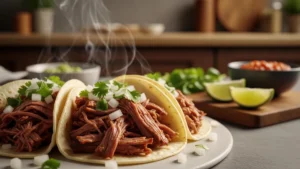
Imagine preparing tacos for a casual dinner at home. You’ve seasoned the meat well, added fresh toppings, and warmed the tortillas.
But when you serve the rice made with water, it feels like an afterthought. It fills the plate but doesn’t add much to the meal.
Now consider the same scenario using chicken broth. The rice has a richer aroma, a fuller taste, and complements the tacos instead of just sitting beside them.
Guests may not immediately identify what’s different, but they will notice that the meal feels more complete and satisfying.
Conclusion
Authentic Mexican rice is not complicated, but it does rely on a few key details that make a real difference. Among them, the use of chicken broth stands out as the most impactful.
By replacing water with a flavorful broth, you give the rice depth, aroma, and balance that simple techniques alone cannot achieve.
When combined with proper toasting, the right ingredients, and careful cooking, this one change can elevate your rice from average to truly authentic.
The best part is that it’s practical and easy to apply. Once you understand why it works, you’ll be able to recreate consistent, satisfying results every time you cook.
FAQ’s
What is the one ingredient that makes Mexican rice taste authentic?
Chicken broth is the key ingredient. It replaces water and adds depth, savory flavor, and better overall balance.
Can I use vegetable broth instead of chicken broth?
Yes, a well-seasoned vegetable broth works well. It maintains flavor depth while keeping the dish vegetarian.
Why does my Mexican rice taste bland even with spices?
Spices alone cannot replace the richness of broth. Without a flavorful cooking liquid, the rice will lack depth.
Do I need to use fresh tomatoes?
Fresh tomatoes are ideal, but canned tomatoes or tomato sauce can work if used correctly and balanced with broth.