You’ve probably had salsa that tasted flat, watery, or just “off,” even when you followed a recipe exactly. Maybe the tomatoes were fresh, the ingredients looked right, but the flavor still didn’t match what you’ve tasted at a good Mexican restaurant.
That’s a common frustration. Salsa seems simple, yet small details make a big difference. Most recipes focus on ingredients, but the real secret lies in how those ingredients are handled.
In this guide, you’ll learn what actually makes Mexican salsa taste balanced, fresh, and deeply flavorful. More importantly, you’ll understand why it works, so you can adjust it confidently instead of relying on guesswork.
Understanding the Topic Clearly
Mexican salsa is not just a mix of tomatoes, onions, and chilies. It’s a carefully balanced combination of acidity, heat, freshness, and texture.
At its core, salsa is about contrast. You have the brightness of lime, the sweetness of tomatoes, the sharpness of onion, and the heat of peppers. When these elements are in balance, the salsa tastes vibrant and complete.
The problem many beginners face is treating salsa like a fixed recipe. In reality, it’s more like a system. The exact ingredients can vary, but the balance must remain.
Understanding this shifts your approach. Instead of asking, “Did I follow the recipe?” you start asking, “Does this taste balanced?”
Why This Problem or Topic Matters
Salsa is often the first impression of Mexican food. Whether it’s served with chips, tacos, or grilled meats, it sets the tone for the entire meal.
If the salsa is too watery, it dilutes flavors. If it’s too acidic, it becomes harsh. If it lacks salt, everything tastes muted. These small issues can make even a well-cooked dish feel incomplete.
For home cooks in the U.S., this matters even more. Grocery store tomatoes, for example, often lack the natural sweetness and depth found in traditional Mexican markets. That means technique becomes even more important than ingredients.
Getting salsa right is not just about one recipe. It’s about learning a skill that improves everything you serve it with.
Key Features / Core Explanation
The “secret” to perfect Mexican salsa is not a single ingredient. It’s a combination of four core principles that work together.
First is balance. Every good salsa has a balance of acid, salt, heat, and natural sweetness. If one dominates, the salsa feels incomplete.
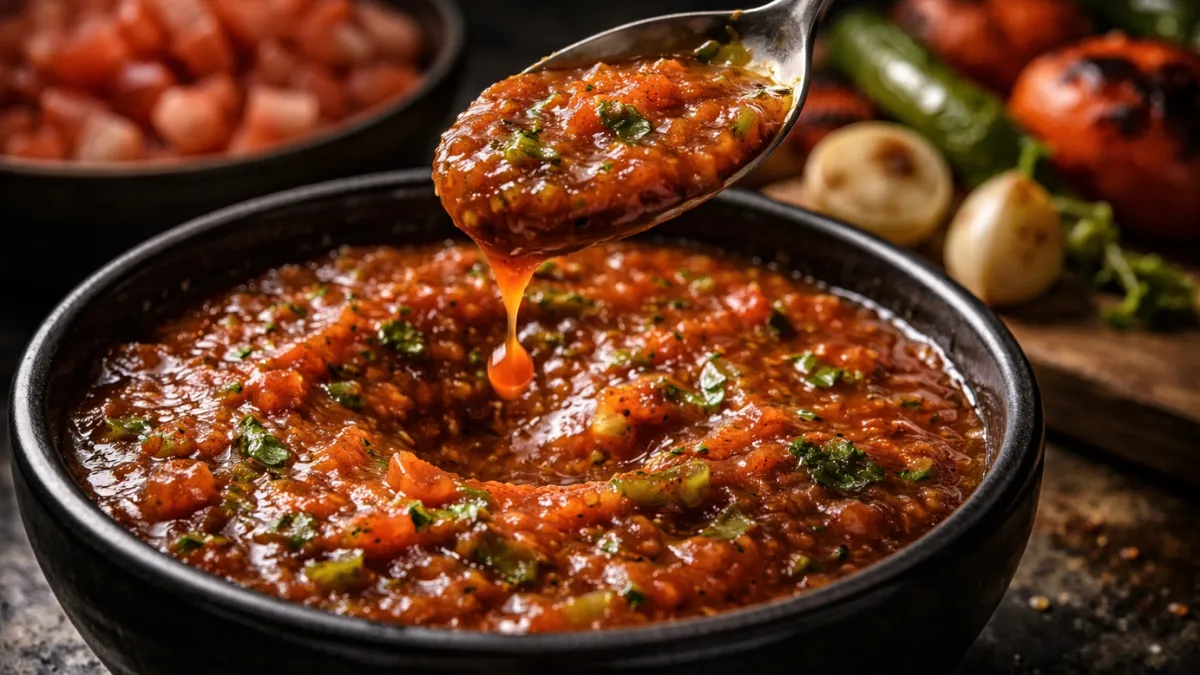
Second is texture. Authentic salsa is rarely completely smooth or overly chunky. It sits somewhere in between, allowing each ingredient to be noticeable without overpowering the others.
Third is preparation method. Raw, roasted, and blended salsas all taste different, even with the same ingredients. Roasting, for example, adds depth and slight smokiness.
Fourth is timing. Salsa often tastes better after resting. This allows flavors to meld and soften, especially the sharpness of onion and garlic.
These four elements—balance, texture, preparation, and timing—are what separate average salsa from exceptional salsa.
Step-by-Step Guide / Practical Application
Start with your base ingredients. Use ripe tomatoes, fresh cilantro, onion, lime, salt, and your choice of chili peppers such as jalapeño or serrano.
If your tomatoes are not very flavorful, consider roasting them. Place them under a broiler until the skins blister slightly. This concentrates flavor and adds depth.
Chop your onion finely. Large chunks can overpower the salsa and create uneven bites. If the onion is too sharp, rinse it briefly under cold water to mellow the flavor.
Add your chili peppers carefully. Start with a small amount, taste, and adjust. Heat should enhance the salsa, not dominate it.
Blend or pulse the mixture. Avoid over-blending. You want a slightly textured consistency, not a puree.
Now comes the most overlooked step: seasoning. Add salt gradually and taste after each addition. Salt doesn’t just make the salsa salty—it enhances every other flavor.
Finish with fresh lime juice. Add it last so you can control the acidity. Too much can make the salsa harsh.
Let the salsa rest for at least 15–30 minutes before serving. This allows the flavors to come together and improves overall taste.
Common Mistakes to Avoid
One of the most common mistakes is using unripe or bland tomatoes without adjusting for it. If your tomatoes lack flavor, the salsa will too. Roasting or adding a small pinch of sugar can help balance this.
Another mistake is over-blending. A completely smooth salsa often tastes flat because it loses texture contrast.
Many people also under-season. Salsa needs more salt than you might expect. Without enough, even good ingredients taste dull.
Adding too much lime at once is another issue. It’s better to add gradually and taste as you go.
Finally, skipping the resting time can make the salsa taste sharp and unbalanced. Freshly made salsa often improves significantly after sitting for a short time.
Tips to Get Better Results
Taste at every stage. This is the simplest but most powerful habit. Adjusting as you go prevents major mistakes.
Use a mix of chili peppers if possible. Combining jalapeño and serrano, for example, creates a more layered heat.
If you want deeper flavor, lightly char your ingredients. Even a quick roast can add noticeable complexity.
Control moisture. If your salsa is too watery, remove some tomato seeds or drain excess liquid before blending.
Use fresh cilantro, but don’t overdo it. Too much can overpower the salsa and make it taste grassy.
Finally, serve at the right temperature. Salsa tastes best slightly chilled or at room temperature, not ice cold.
Pros and Limitations
Making your own salsa gives you full control over flavor, freshness, and ingredients. You can adjust heat levels, acidity, and texture exactly to your preference.
It’s also cost-effective and quick once you understand the basics. Most salsas can be prepared in under 15 minutes.
However, there are limitations. The quality of ingredients still matters, especially tomatoes. Even with good technique, poor ingredients can only be improved so much.
Salsa also has a short shelf life. Fresh salsa is best consumed within a couple of days for optimal flavor and safety.
Real-Life Example or Use Case
Imagine preparing tacos for a casual dinner at home. You follow a simple salsa recipe, but it tastes bland and watery.
Instead of starting over, you apply the principles from this guide. You roast the tomatoes slightly, add a bit more salt, and adjust the lime juice.
You let the salsa rest while you finish cooking. When you taste it again, the flavors are more balanced, the texture feels right, and the salsa complements the tacos instead of fading into the background.
This small adjustment turns an average meal into something memorable, without adding complexity.
Conclusion
Perfect Mexican salsa is not about following a rigid recipe. It’s about understanding balance, texture, preparation, and timing.
Once you learn how these elements work together, you can adjust any salsa to taste fresh, vibrant, and well-rounded. This removes the guesswork and gives you consistent results every time.
With a few simple techniques and careful tasting, you can turn basic ingredients into something that truly enhances your meals. That’s the real secret most people overlook.
FAQ’s
What is the best type of tomato for salsa?
Roma tomatoes are commonly used because they have fewer seeds and a firmer texture. However, any ripe tomato can work if you adjust for moisture and flavor.
How spicy should salsa be?
It depends on personal preference. A good approach is to start mild and gradually increase heat. The goal is to enhance flavor, not overwhelm it.
Can I make salsa without cilantro?
Yes. While cilantro adds freshness, you can omit it or replace it with a small amount of parsley if needed.
Why does my salsa taste watery?
This usually happens when tomatoes release too much liquid. Removing seeds or draining excess juice can help improve consistency.