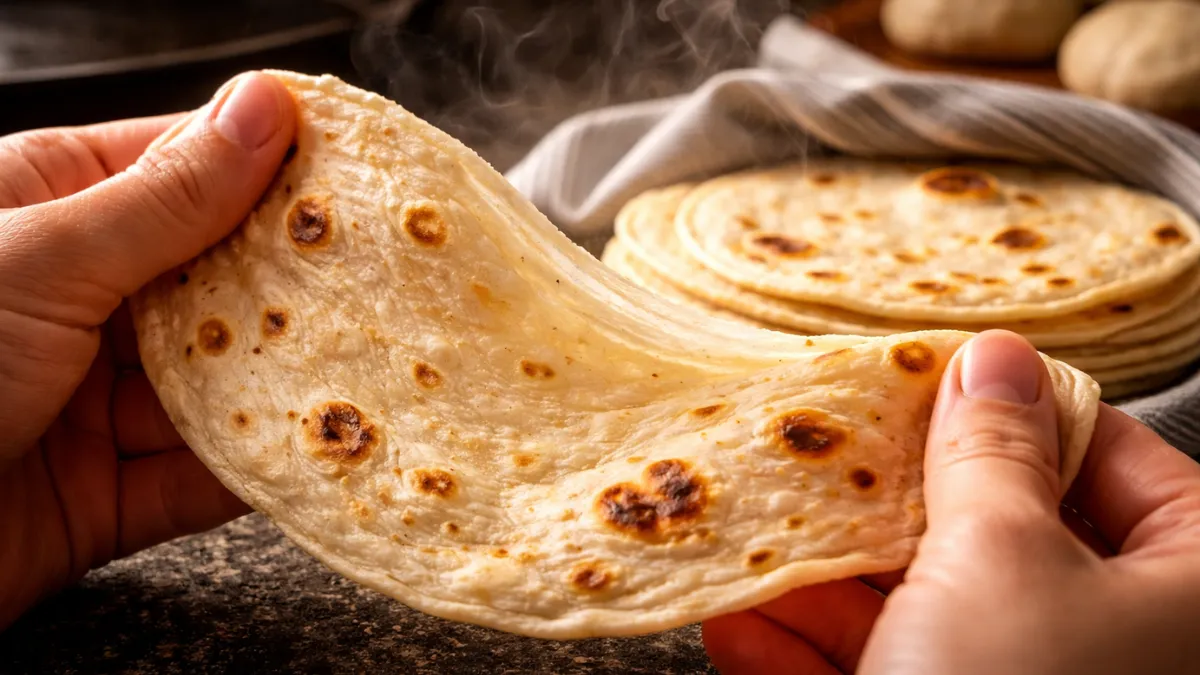
You decide to make tortillas at home, expecting soft, warm rounds like the ones served in good Mexican restaurants. But instead, they turn out dry, stiff, or crack when folded. This is a common experience, even for people who are comfortable in the kitchen.
The truth is, making soft and perfect tortillas is not about complicated recipes. It’s about understanding a few key techniques that control texture, moisture, and heat. Small details make a big difference.
In this guide, you’ll learn exactly what makes tortillas soft, flexible, and flavorful—and how to consistently get that result at home, using simple ingredients and practical methods.
Understanding the Topic Clearly
Tortillas are thin flatbreads, typically made from flour or corn. In the U.S., flour tortillas are more common for dishes like burritos and wraps, while corn tortillas are often used for tacos.
The goal of a good tortilla is simple: it should be soft, pliable, and strong enough to hold fillings without tearing. That balance comes from how the dough is prepared, rested, and cooked.
Many people focus only on ingredients, but texture depends more on technique. Even with basic pantry items, you can achieve excellent results if you understand how the process works.
Why This Problem or Topic Matters
Soft tortillas are not just about taste—they directly affect how your food comes together. A dry tortilla can ruin a taco, making it break apart or feel unpleasant to eat.
In everyday cooking, especially in busy households across the U.S., people look for reliable results. Whether you’re packing a quick lunch wrap or preparing dinner for family, consistency matters.
If your tortillas are too tough or crumbly, you may avoid making them altogether. Learning the right method helps you save money, improve meals, and gain confidence in your cooking.
Key Features / Core Explanation
The softness of a tortilla comes down to four main factors: hydration, fat content, gluten development, and heat control.
Hydration is the amount of water in your dough. Too little water makes tortillas dry and stiff. Proper hydration keeps the dough soft and workable.
Fat plays a crucial role in tenderness. Ingredients like oil, butter, or lard coat the flour and prevent it from becoming too chewy. This is especially important for flour tortillas.
Gluten development affects structure. Kneading helps create elasticity, but over-kneading can make tortillas tough. The balance is important.
Heat control during cooking determines the final texture. If the pan is too cool, tortillas dry out before cooking properly. If it’s too hot, they burn on the outside while staying undercooked inside.
Step-by-Step Guide / Practical Application
Start by combining all-purpose flour, salt, and a small amount of fat in a bowl. Mix until the texture resembles coarse crumbs. This step ensures the fat is evenly distributed.
Slowly add warm water while mixing. The dough should come together into a soft, slightly tacky ball. Avoid making it too sticky or too dry.
Knead the dough for about 5 to 7 minutes until it becomes smooth. You should feel it becoming elastic but not overly firm.
Let the dough rest for at least 20 to 30 minutes. This step is essential. Resting allows the gluten to relax, making the dough easier to roll and resulting in softer tortillas.
Divide the dough into small, even portions. Roll each piece into a ball and cover them to prevent drying.
Roll each ball into a thin circle using a rolling pin. Try to keep the thickness even. Uneven tortillas cook inconsistently.
Heat a skillet or cast-iron pan over medium-high heat. It should be hot before you start cooking.
Place the tortilla onto the pan. Cook for about 30–45 seconds until bubbles form, then flip. Cook the other side until light brown spots appear.
Remove and stack cooked tortillas in a clean towel. Covering them traps steam, which helps keep them soft.
Common Mistakes to Avoid
One common mistake is skipping the resting step. Without rest, the dough becomes difficult to roll and results in stiff tortillas.
Using too much flour while rolling is another issue. Extra flour dries out the surface and affects texture during cooking.
Cooking on low heat is also a frequent problem. It causes tortillas to dry instead of puffing slightly and staying soft.
Overcooking is easy to do, especially if you’re multitasking. Even a few extra seconds can make tortillas brittle.
Not covering cooked tortillas leads to moisture loss. This small oversight can undo all your effort.
Tips to Get Better Results
Use warm water when mixing the dough. It helps the flour absorb moisture more effectively and creates a smoother texture.
Keep your dough slightly softer than you think it should be. A softer dough usually results in softer tortillas.
If possible, use a cast-iron skillet. It retains heat well and provides even cooking, which improves consistency.
Stack and wrap tortillas immediately after cooking. The trapped steam keeps them flexible for longer.
Practice consistency in size and thickness. Uniform tortillas cook more evenly and look more appealing.
If you’re making a large batch, reheat tortillas briefly before serving. This restores softness and enhances flavor.
Pros and Limitations
Making tortillas at home gives you full control over ingredients and freshness. You can avoid preservatives and adjust flavors to your preference.
Homemade tortillas often taste better and feel more satisfying, especially when served warm.
However, the process takes time and practice. The first few attempts may not be perfect, and consistency improves with experience.
Store-bought tortillas are convenient and consistent, which can be helpful for busy schedules. Homemade versions require more attention but offer better quality.
Real-Life Example or Use Case
Imagine preparing a simple weeknight dinner in a U.S. household—grilled chicken, sautéed vegetables, and fresh toppings. You decide to make tortillas from scratch.
With the right method, your tortillas come out soft and flexible. They wrap easily without breaking, holding the filling neatly.
The meal feels more complete, and the difference is noticeable. Family members often recognize the improvement in texture and flavor, even if they can’t explain why.
This is where technique pays off. A small upgrade in one component can elevate the entire meal.
Conclusion
Making soft and perfect tortillas at home is not complicated, but it does require attention to detail. The right balance of moisture, resting time, and heat makes all the difference.
By understanding the process and avoiding common mistakes, you can achieve consistent results that match or even exceed store-bought options.
With a bit of practice, homemade tortillas can become a reliable part of your cooking routine—simple, satisfying, and genuinely better.
FAQ’s
What is the secret to soft tortillas?
The key is proper hydration, resting the dough, and cooking at the right temperature. These factors work together to create a soft and flexible texture.
Why do my tortillas turn hard after cooking?
This usually happens بسبب overcooking or not covering them after cooking. Keeping them wrapped in a towel helps retain moisture.
Can I make tortillas without fat?
Yes, but they may be less tender. Fat helps improve softness, especially in flour tortillas.
How long should I rest the dough?
At least 20 to 30 minutes. Longer resting can improve texture further, especially if the dough feels tight.