
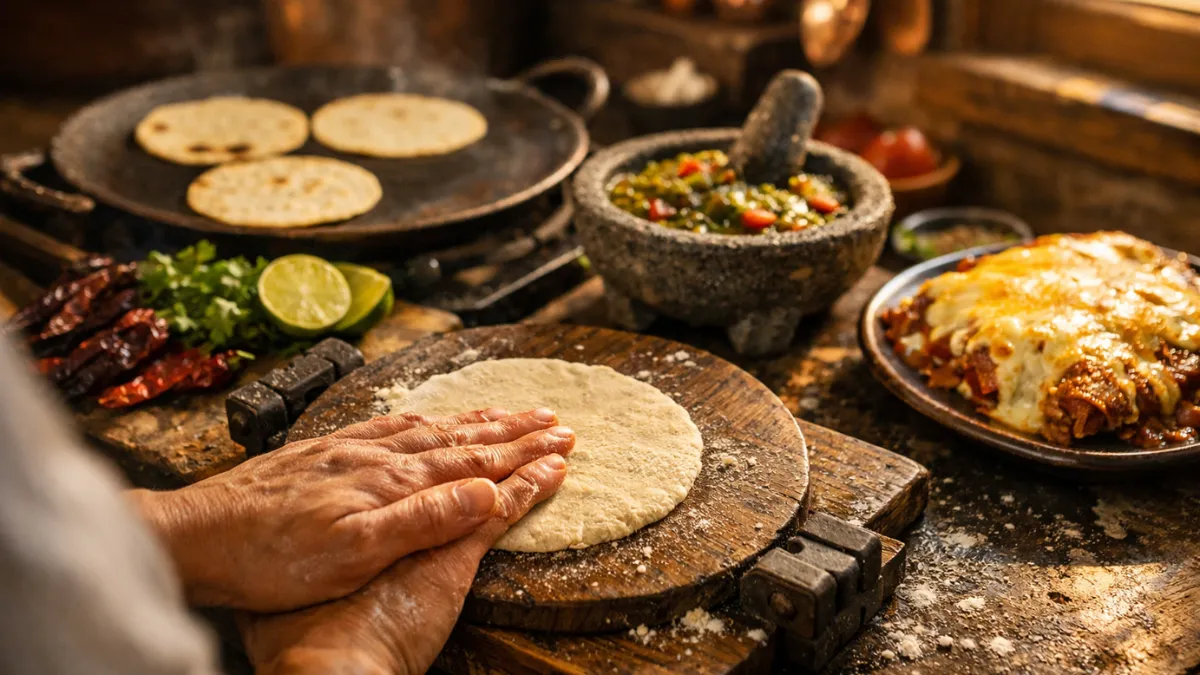
If you’ve ever tried Mexican food at different places in the United States, you’ve probably noticed something confusing. One restaurant serves bold, earthy flavors with unfamiliar ingredients, while another offers dishes that feel more like comfort food—cheesy, saucy, and familiar.
This often leads to a common question: why does authentic Mexican food taste so different from what many people call “Mexican food” in the U.S.?
The answer isn’t about one being better than the other. It’s about history, ingredients, cooking techniques, and cultural adaptation. In this guide, you’ll learn exactly what makes authentic Mexican food unique, why the flavors differ so much, and how to recognize—and even recreate—those authentic tastes at home.
Understanding the Topic Clearly
Authentic Mexican food refers to traditional dishes and cooking methods that originate from Mexico’s diverse regions. These recipes are deeply rooted in indigenous ingredients like corn, beans, chili peppers, and native herbs, combined with Spanish influences introduced centuries ago.
On the other hand, what many people in the U.S. recognize as “Mexican food” is often Tex-Mex or Americanized Mexican cuisine. These versions adapt traditional dishes to local tastes, ingredient availability, and convenience.
The difference matters because it affects everything from flavor and texture to how meals are prepared and served. Understanding this distinction helps you make better choices when dining out or cooking at home.
Why This Problem or Topic Matters
Many people feel disappointed when a dish labeled “authentic” doesn’t match their expectations. Others may assume they don’t like Mexican food, when in reality they’ve only experienced a limited version of it.
In the U.S., for example, a typical taco might come loaded with shredded cheese, sour cream, and lettuce. But in many parts of Mexico, a taco is much simpler—fresh corn tortillas, seasoned meat, onions, cilantro, and a squeeze of lime.
Recognizing these differences helps you explore food more confidently. It also allows you to appreciate the cultural depth behind traditional dishes rather than judging them based on unfamiliar flavors.
Key Features / Core Explanation
One of the main reasons authentic Mexican food tastes different is the ingredients used. Traditional cooking relies heavily on fresh, local components such as masa (corn dough), dried chiles, and herbs like epazote. These ingredients create deeper, more layered flavors compared to processed or substituted alternatives.
Another key factor is the cooking technique. Authentic dishes often involve slow cooking, roasting, grinding spices by hand, or preparing sauces like mole that can take hours to develop. In contrast, many Americanized versions focus on speed and convenience.
Flavor balance also plays a major role. Authentic Mexican cuisine emphasizes a combination of heat, acidity, earthiness, and freshness. Lime juice, vinegar, and herbs are used to brighten dishes rather than relying heavily on cheese or cream.
Regional diversity adds another layer of complexity. Mexico has many distinct culinary regions, each with its own specialties. For example, Oaxaca is known for rich mole sauces, while coastal areas focus on seafood with citrus and spice.
Finally, portion and presentation differ. Authentic meals are often simpler and more focused, while American-style dishes tend to be larger, heavier, and packed with multiple toppings.
Step-by-Step Guide / Practical Application
If you want to experience authentic Mexican flavors at home, you can start with a few practical steps.
Begin by choosing the right ingredients. Look for corn tortillas instead of flour tortillas, fresh cilantro, lime, and dried chiles like guajillo or ancho. Many U.S. grocery stores now carry these items in international aisles.
Next, focus on simplicity. Instead of adding multiple toppings, try preparing a basic taco with grilled meat, onions, cilantro, and lime. This allows the core flavors to stand out.
Learn how to build flavor through preparation. Toast dried chiles before blending them into sauces. Roast tomatoes, onions, and garlic for salsas to create depth.
Pay attention to seasoning. Authentic Mexican cooking doesn’t rely on heavy spices. Salt, chili, citrus, and herbs are used thoughtfully to enhance natural flavors.
Finally, take your time. Even simple dishes benefit from careful preparation. Let meats marinate, cook slowly when needed, and avoid rushing the process.
Common Mistakes to Avoid
One common mistake is assuming more ingredients mean better flavor. Overloading dishes with cheese, sauces, and toppings can mask the core taste that defines authentic Mexican food.
Another mistake is using incorrect substitutes. For example, using wheat tortillas instead of corn tortillas can significantly change the flavor and texture of a dish.
Many people also skip traditional preparation methods. Not roasting ingredients or failing to rehydrate dried chiles properly can result in flat or unbalanced flavors.
Confusing spice with heat is another issue. Authentic Mexican food is not always extremely spicy. It focuses more on depth and complexity rather than just heat.
Lastly, relying on pre-made sauces can limit authenticity. While convenient, these often lack the freshness and balance found in homemade versions.
Tips to Get Better Results
Start by exploring authentic Mexican restaurants in your area. Look for places that use traditional ingredients and simple menus rather than overly customized dishes.
When cooking at home, invest in a few key ingredients like dried chiles, masa harina, and fresh herbs. These make a noticeable difference in flavor.
Practice making basic salsas. A simple blend of roasted tomatoes, onions, chili, and lime can transform a meal and give you a better understanding of flavor balance.
Use fresh garnishes wisely. Cilantro, onions, and lime are not just decorations—they enhance taste and bring brightness to each bite.
Finally, stay open-minded. Authentic flavors may feel different at first, but they often become more enjoyable as you get used to them.
Pros and Limitations
Authentic Mexican food offers a more genuine cultural experience. It highlights traditional ingredients, cooking methods, and regional diversity, making it both educational and enjoyable.
It also tends to be fresher and less processed, which many people appreciate for both taste and quality.
However, it may not always match familiar expectations. Some dishes are less creamy or cheesy than what many people are used to, which can take time to adjust to.
Accessibility can also be a limitation. Certain ingredients may be harder to find depending on where you live, although this is improving in many U.S. cities.
Preparation time is another factor. Authentic recipes often require more effort and patience compared to quick, modern adaptations.
Real-Life Example or Use Case
Imagine you order tacos from two different places in a U.S. city. The first serves tacos with ground beef, cheddar cheese, lettuce, and sour cream in a crispy shell. The flavors are rich and familiar, but somewhat heavy.
The second restaurant offers tacos with slow-cooked pork, fresh corn tortillas, chopped onions, cilantro, and lime. The taste is lighter but more complex, with each ingredient playing a clear role.
At first, the second option may feel unfamiliar. But over time, many people find it more balanced and satisfying. This shift in preference often happens once you understand what authentic Mexican food is meant to taste like.
Conclusion
Authentic Mexican food tastes different because it reflects centuries of tradition, regional diversity, and a deep respect for ingredients and technique. It’s not about adding more—it’s about balancing flavors in a thoughtful and intentional way.
Understanding these differences helps you appreciate what you’re eating and opens the door to a richer culinary experience. Whether you’re dining out or cooking at home, recognizing authenticity allows you to explore Mexican cuisine with greater confidence and enjoyment.
Once you start noticing the details—fresh ingredients, simple presentation, and balanced flavors—you may find that authentic Mexican food offers a level of depth and satisfaction that’s hard to match.
FAQ’s
What is the main difference between authentic Mexican food and Tex-Mex?
Authentic Mexican food uses traditional ingredients and methods from Mexico, while Tex-Mex is an adapted version influenced by U.S. tastes, often featuring more cheese, beef, and processed ingredients.
Is authentic Mexican food always spicy?
No, it focuses more on flavor depth than heat. Many dishes are mild and balanced, with spice used carefully rather than aggressively.
Why are corn tortillas used instead of flour tortillas?
Corn tortillas are traditional in Mexico and provide a distinct flavor and texture that complements many dishes better than flour tortillas.
Can I make authentic Mexican food at home easily?
Yes, with the right ingredients and simple techniques, you can recreate many authentic dishes. Starting with basic recipes like tacos and salsas is a good approach.