You come home after a long day, craving something fresh, satisfying, and quick to prepare. Guacamole often seems like the perfect answer—until it turns out bland, watery, or overly acidic. Many recipes promise “fresh flavor,” but don’t explain what actually makes the difference.
The truth is, great guacamole isn’t about complicated ingredients. It’s about understanding balance, timing, and technique. When done right, it delivers a clean, vibrant taste that feels both comforting and energizing.
In this guide, you’ll learn exactly what makes a guacamole recipe truly fresh and flavorful. More importantly, you’ll understand how to control each element so you can consistently get it right at home.
Understanding the Topic Clearly
Guacamole is a simple dip made primarily from ripe avocados, combined with ingredients like lime juice, salt, onion, cilantro, and sometimes tomatoes or peppers. Despite its simplicity, small changes in preparation can significantly affect the final taste.
Freshness in guacamole doesn’t just mean using fresh ingredients. It refers to how those ingredients interact—how bright the citrus feels, how clean the avocado flavor comes through, and how well the textures hold together.
Flavorful guacamole is about balance. It should not be overly salty, too sour, or dominated by any single ingredient. Instead, every bite should feel smooth, slightly tangy, lightly herbaceous, and naturally rich.
Understanding this foundation helps remove confusion, especially for beginners who often follow recipes without knowing why certain steps matter.
Why This Problem or Topic Matters
Guacamole is commonly served at gatherings, from casual family dinners to game-day parties across the U.S. It’s often one of the first dishes people notice—and one of the easiest to get wrong.
When guacamole lacks freshness, it can taste dull or heavy. If it’s too acidic, it becomes sharp and unpleasant. If the texture is off, it may feel either mushy or chunky in an unappealing way.
In real-life situations, this matters more than it seems. Imagine preparing snacks for guests and realizing your guacamole tastes flat. Or spending money on quality avocados only to end up with a disappointing result.
Getting guacamole right means you can rely on it as a quick, go-to recipe that consistently delivers. It saves time, reduces waste, and improves your confidence in the kitchen.
Key Features / Core Explanation
The freshness and flavor of guacamole come down to a few core elements that work together.
The first is avocado quality. Ripe avocados should feel slightly soft when pressed but not mushy. Underripe avocados taste bland, while overripe ones can introduce bitterness.
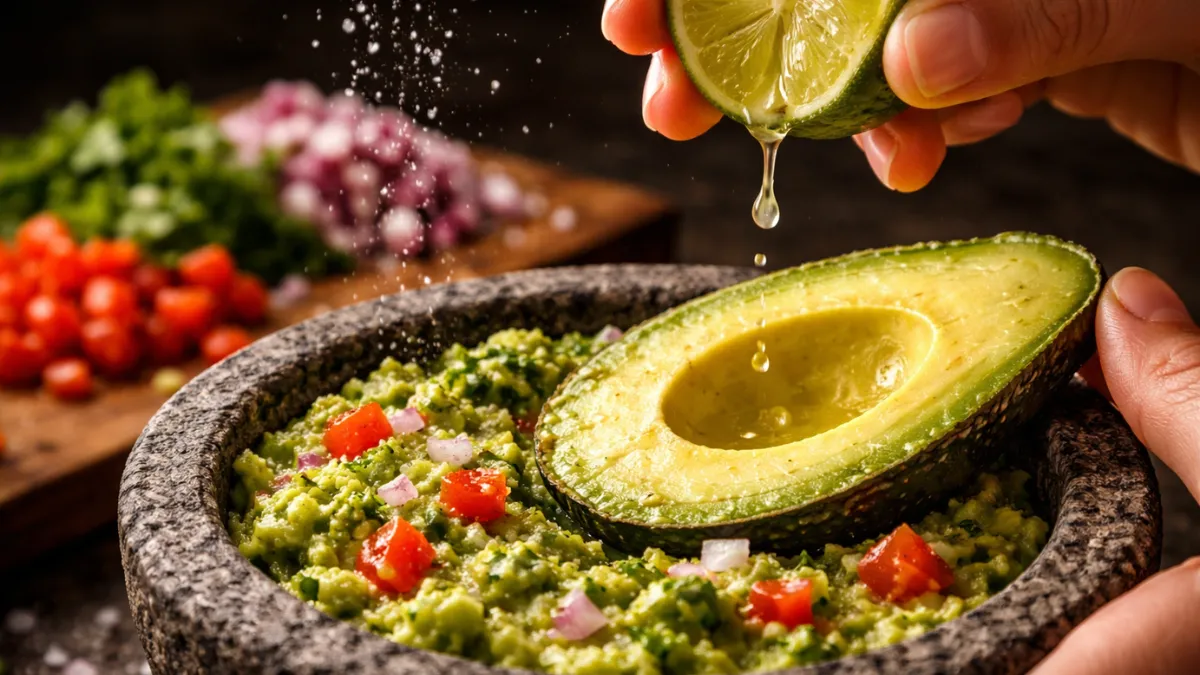
The second is acidity, usually from lime juice. Lime doesn’t just add tang—it enhances the natural flavor of the avocado and prevents browning. However, too much lime can overpower the dish.
The third is salt. Salt is not just a seasoning; it’s a flavor enhancer. The right amount brings out the richness of the avocado and balances the acidity.
The fourth is texture. Some people prefer smooth guacamole, while others like it chunky. The key is consistency. A mix of creamy and small chunks often provides the most satisfying mouthfeel.
The fifth is freshness of add-ins. Ingredients like cilantro, onion, and jalapeño should be fresh and finely balanced. Too much onion can dominate, while too little can make the guacamole feel incomplete.
Finally, timing plays a critical role. Guacamole tastes best shortly after preparation. Letting it sit too long can dull the flavors and affect the texture.
Step-by-Step Guide / Practical Application
Start by selecting ripe avocados. For a typical batch, use two to three medium avocados. Cut them in half, remove the pit, and scoop the flesh into a bowl.
Mash the avocados gently with a fork. Avoid over-mashing. You want a slightly textured base rather than a completely smooth paste.
Add freshly squeezed lime juice. Start with a small amount, about one tablespoon, and adjust based on taste. This helps maintain control over the acidity.
Season with salt. Add a pinch, mix, and taste. Continue adjusting gradually rather than adding too much at once.
Incorporate finely chopped onion and cilantro. Keep the pieces small so they blend well without overpowering each bite.
If you prefer a mild heat, add finely chopped jalapeño. Remove the seeds for less spice, or include them for more intensity.
Mix everything gently. Avoid aggressive stirring, which can break down the texture.
Taste the guacamole and adjust. This is the most important step. Add more lime, salt, or herbs as needed until the flavor feels balanced.
Serve immediately for the best freshness. If you need to store it briefly, cover it tightly with plastic wrap pressed directly onto the surface to reduce air exposure.
Common Mistakes to Avoid
One common mistake is using unripe avocados. This leads to a firm texture and weak flavor that cannot be fixed later.
Another mistake is overloading lime juice. While lime is essential, too much creates a sharp taste that masks the avocado.
Many people also add too many ingredients. Extras like garlic, spices, or excessive tomatoes can make the guacamole feel cluttered rather than fresh.
Over-mixing is another issue. It breaks down the natural structure of the avocado and results in a paste-like consistency.
Not tasting during preparation is a frequent oversight. Without adjusting as you go, it’s easy to end up with an unbalanced final result.
Finally, storing guacamole incorrectly can ruin it quickly. Exposure to air causes browning and dulls the flavor.
Tips to Get Better Results
Always taste your ingredients individually before mixing. This gives you a better sense of how strong each component is.
Use fresh lime juice instead of bottled. Fresh juice has a cleaner, brighter flavor that significantly improves the result.
Chill your ingredients slightly before preparation. This helps maintain a refreshing taste, especially in warm environments.
Dice onions very finely. Large chunks can create uneven bites and overpower the overall flavor.
If you want a smoother texture, mash half the avocado fully and leave the rest slightly chunky. This creates a balanced consistency.
Serve guacamole in a wide bowl rather than a deep one. This makes it easier to scoop and helps maintain its structure.
Pros and Limitations
One of the main advantages of guacamole is its simplicity. It requires minimal ingredients and can be prepared quickly, making it practical for everyday use.
It is also versatile. You can adjust flavors based on personal preference, dietary needs, or available ingredients.
However, guacamole has limitations. It does not store well for long periods, even with proper techniques. The freshness that makes it appealing also makes it perishable.
Another limitation is ingredient dependency. If avocados are not in good condition, the final result will suffer regardless of technique.
Understanding these pros and limitations helps set realistic expectations and improves overall results.
Real-Life Example or Use Case
Consider a typical weekend gathering in a U.S. household. You’re preparing snacks for a small group of friends watching a game. Chips and dips are expected, and guacamole is often a centerpiece.
Instead of buying pre-made guacamole, you prepare it fresh using ripe avocados, lime, and simple ingredients. The result is noticeably brighter and more flavorful.
Guests immediately recognize the difference. The texture feels more natural, the flavor is balanced, and it pairs well with everything from tortilla chips to grilled dishes.
This real-world scenario shows how understanding the basics can elevate even the simplest dish and create a better overall experience.
Conclusion
Fresh and flavorful guacamole is not about complexity—it’s about understanding the basics and applying them carefully. From choosing ripe avocados to balancing lime and salt, every step contributes to the final result.
When you focus on freshness, texture, and balance, guacamole becomes more than just a dip. It turns into a reliable, satisfying dish you can prepare with confidence.
By following these practical insights, you can consistently create guacamole that tastes clean, vibrant, and well-balanced—without needing to rely on guesswork or complicated recipes.
FAQ’s
What type of avocado is best for guacamole?
Hass avocados are the most commonly used because of their creamy texture and rich flavor. They are widely available in the U.S. and work consistently well.
How do I keep guacamole from turning brown?
Limit air exposure by pressing plastic wrap directly onto the surface. Adding lime juice also helps slow down oxidation.
Can I make guacamole ahead of time?
It’s best made fresh. If needed, you can prepare it a few hours in advance, but store it properly and adjust seasoning before serving.
Should I add tomatoes to guacamole?
This depends on preference. Tomatoes can add freshness but may also introduce extra moisture, which can affect texture.