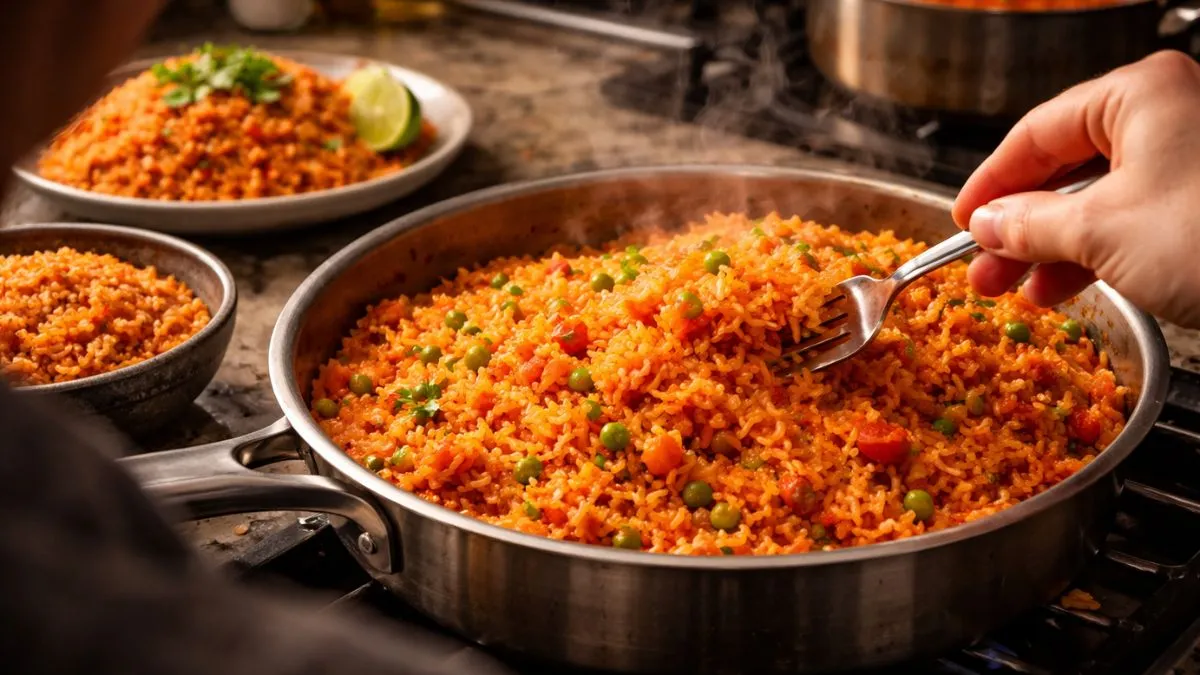
Many people try to recreate restaurant-style Mexican rice at home, only to end up with something bland, sticky, or unevenly cooked. It often looks similar, but the flavor and texture just don’t match what you get at your favorite Mexican restaurant.
The good news is that restaurant-quality Mexican rice is not complicated—it just requires the right method and a few key techniques that most recipes overlook. When done correctly, the rice should be fluffy, lightly toasted, and rich in flavor without being heavy.
In this guide, you’ll learn exactly how to make a copycat Mexican rice recipe that tastes like it came from a restaurant kitchen. More importantly, you’ll understand why each step matters so you can consistently get the same results at home.
Understanding the Topic Clearly
Mexican rice, often called Spanish rice in the U.S., is a savory rice dish cooked with tomatoes, broth, and simple seasonings. It’s commonly served as a side with tacos, enchiladas, or grilled meats.
What makes restaurant-style Mexican rice different from plain rice is the cooking process. The rice is first toasted in oil, then simmered with flavorful liquid, allowing it to absorb both taste and color evenly.
This dish matters because it’s not just a side—it often completes the entire meal. When the rice is done well, it balances spicy or rich dishes and adds a comforting, familiar element to the plate.
Why This Problem or Topic Matters
Getting Mexican rice right at home can save money and improve everyday meals. Many people rely on takeout or restaurant visits simply because they can’t replicate that authentic taste.
In the U.S., Mexican cuisine is a regular part of weekly meals for many households. Whether it’s Taco Tuesday or a weekend dinner, having a reliable rice recipe makes those meals feel complete.
If the rice turns out mushy or bland, it affects the entire dish. On the other hand, well-made rice can elevate even simple meals like grilled chicken or beans into something more satisfying.
Key Features / Core Explanation
Restaurant-style Mexican rice has a few defining characteristics that set it apart.
First, the grains are separate and fluffy. This comes from using the right rice and managing moisture carefully during cooking.
Second, the rice has a light golden or reddish color. This is achieved by toasting the rice and using tomato-based liquid.
Third, the flavor is balanced. It should not taste overly tomato-heavy or salty. Instead, it should have a mild, savory depth that complements other foods.
Finally, the texture is slightly firm but tender. Overcooked rice becomes sticky, while undercooked rice feels hard. The goal is a perfect middle ground.
Step-by-Step Guide / Practical Application
Start with long-grain white rice. This type of rice stays separate and does not clump easily. Avoid short-grain rice, which tends to become sticky.
Rinse the rice under cold water until the water runs mostly clear. This removes excess starch and helps prevent clumping.
Heat a neutral oil, such as vegetable or canola oil, in a wide pan over medium heat. Add the rice and toast it gently. Stir frequently until the grains turn light golden and give off a nutty aroma. This step builds the base flavor.
Add finely chopped onion and cook for a minute or two until softened. Then stir in minced garlic and cook briefly to release its aroma without burning it.
Mix in tomato sauce or blended fresh tomatoes. Let it cook for a minute so the flavors combine with the toasted rice.
Pour in chicken broth instead of water. This is one of the biggest differences between home cooking and restaurant results. The broth adds depth and richness.
Season with salt and a small amount of cumin if desired. Keep the seasoning simple so the rice complements the main dish.
Bring the mixture to a gentle boil, then reduce the heat to low and cover the pan tightly. Let it simmer without stirring. Stirring at this stage can break the grains and make the rice sticky.
Cook for about 15–20 minutes, or until the liquid is fully absorbed. Turn off the heat and let the rice rest, covered, for another 5 minutes.
Fluff the rice gently with a fork before serving. This separates the grains and improves texture.
Common Mistakes to Avoid
One common mistake is skipping the toasting step. Without toasting, the rice lacks depth and can taste flat.
Another issue is using too much liquid. This leads to mushy rice. It’s important to measure carefully and avoid adding extra broth during cooking.
Stirring the rice while it simmers is another frequent error. This releases starch and causes clumping.
Using the wrong type of rice can also affect results. Short-grain or parboiled rice behaves differently and may not produce the desired texture.
Finally, cooking on high heat can cause uneven cooking. The bottom may burn while the top remains undercooked.
Tips to Get Better Results
Use a wide, heavy-bottomed pan. This ensures even heat distribution and prevents burning.
Stick to a consistent ratio of rice to liquid. For most long-grain rice, about 2 cups of liquid per 1 cup of rice works well.
Let the rice rest after cooking. This step is often skipped, but it allows moisture to redistribute evenly.
If you want a slightly richer flavor, you can replace a small portion of the oil with butter. This adds a subtle depth without overpowering the dish.
Taste the broth before adding it. If it’s already salty, adjust your seasoning to avoid over-salting the rice.
Pros and Limitations
One of the main advantages of this recipe is consistency. Once you understand the method, you can replicate restaurant-style rice every time.
It’s also cost-effective. Making rice at home is much cheaper than ordering it from a restaurant.
Another benefit is flexibility. You can adjust the seasoning, spice level, or ingredients based on your preference.
However, it does require attention to detail. Small mistakes, like incorrect measurements or heat levels, can affect the outcome.
It also takes a bit of practice to perfect the texture. The first attempt may not be perfect, but results improve quickly with experience.
Real-Life Example or Use Case
Imagine preparing a simple dinner at home—grilled chicken, sautéed vegetables, and a side of rice. Without well-made rice, the meal may feel incomplete or less satisfying.
Now, add properly cooked Mexican rice with a light tomato flavor and fluffy texture. The entire meal feels more balanced and restaurant-quality.
This is especially useful when hosting guests. A reliable rice dish can make even a simple menu feel more thoughtful and complete.
Conclusion
Making a copycat Mexican rice recipe that tastes like a restaurant is less about complicated ingredients and more about understanding the process. Toasting the rice, using flavorful broth, and controlling heat are the key factors that make the difference.
When you follow the right method, you can consistently create rice that is fluffy, balanced, and satisfying. This not only improves your meals but also gives you more confidence in the kitchen.
With a little practice, this recipe can become a reliable part of your weekly cooking routine, helping you recreate restaurant-style meals at home without the extra cost.
FAQ’s
Can I use brown rice instead of white rice?
Yes, but the cooking time and liquid ratio will change. Brown rice takes longer to cook and has a different texture, so it won’t exactly match restaurant-style results.
Why does my rice turn out mushy?
This usually happens بسبب too much liquid or overcooking. Measuring carefully and avoiding stirring during cooking can help prevent this.
Can I make this recipe vegetarian?
Yes. Simply replace chicken broth with vegetable broth. The flavor will still be good, though slightly different.
Do I need tomato sauce, or can I use fresh tomatoes?
Both work. Tomato sauce is more consistent, while fresh tomatoes offer a lighter, fresher flavor.