After a long day, cooking something comforting sounds appealing—but complicated recipes can quickly turn that idea into frustration. Many people try making traditional dishes like tamales and feel overwhelmed by unfamiliar steps, ingredients, or techniques.
That’s exactly why a simplified approach to traditional Mexican tamales matters. You don’t need professional skills or specialty equipment to make them at home. With the right guidance, you can prepare authentic, flavorful tamales using practical methods that fit into a modern kitchen.
In this guide, you’ll learn how tamales work, why each step matters, and how to make them successfully—even if it’s your first time.
Understanding the Topic Clearly
Tamales are a traditional Mexican dish made from masa (corn dough) filled with savory or sweet ingredients, wrapped in corn husks, and steamed until fully cooked.
At first glance, they may seem complex because they involve multiple steps—preparing the dough, making the filling, assembling, and steaming. But each step follows a clear process once you understand the basics.
What makes tamales unique is their texture and flavor balance. The masa becomes soft and slightly fluffy, while the filling adds depth, whether it’s seasoned meat, beans, or vegetables.
Understanding this structure removes confusion. You’re not just following a recipe—you’re building layers that come together during steaming.
Why This Problem or Topic Matters
Many home cooks avoid making tamales because they assume it requires advanced skills or traditional tools. In reality, that assumption often comes from unclear instructions or overly complicated recipes.
Learning to make tamales at home has real value. It allows you to control ingredients, adjust flavors, and prepare meals that feel both personal and satisfying.
For families in the U.S., UK, or Australia, tamales can also be a great way to explore authentic Mexican cuisine without relying on restaurant versions that may be adapted or simplified.
It also becomes practical for gatherings. Tamales can be made in batches, stored, and reheated easily, making them ideal for meal prep or sharing.
Key Features / Core Explanation
The tamale-making process becomes much easier when you break it into four core parts: masa, filling, wrapping, and steaming.
Masa is the foundation. It’s made from masa harina (corn flour treated with lime), mixed with fat (like lard or oil), broth, and seasoning. The goal is a soft, spreadable dough—not too dry, not too wet.
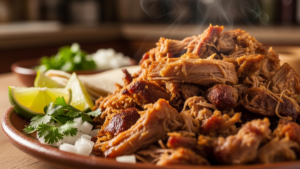
The filling provides flavor contrast. Common options include shredded chicken, pork in red or green sauce, cheese with peppers, or even sweet variations with fruits.
Corn husks act as the wrapper. They hold everything together during steaming and give tamales their traditional shape.
Steaming is what transforms the tamale. Instead of baking or frying, the gentle steam cooks the masa evenly, creating the soft texture that defines a good tamale.
Each part matters equally. If one is off—like dry masa or overfilled husks—it affects the final result.
Step-by-Step Guide / Practical Application
Start by soaking dried corn husks in warm water for about 30 minutes. This softens them and makes them easy to fold without breaking.
Prepare the masa by mixing masa harina with warm broth, fat, baking powder, and salt. Stir until the dough is smooth and light. A simple test is to drop a small piece in water—if it floats, it’s ready.
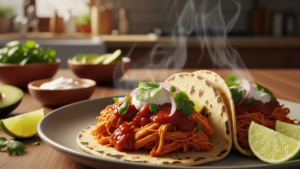
Cook your filling separately. For example, shredded chicken mixed with a mild red chili sauce works well for beginners. Keep the filling moist but not watery.
Lay a softened corn husk flat, spread a thin layer of masa across the center, and add a small portion of filling. Fold the sides inward and then fold up the bottom.
Place the wrapped tamales upright in a steamer. Make sure they are packed snugly but not tightly compressed.
Steam for about 60 to 90 minutes. Check by opening one—if the masa pulls away easily from the husk, they are done.
Let them rest for 10–15 minutes before serving. This helps the texture settle and improves the overall consistency.
Common Mistakes to Avoid
One common mistake is using masa that is too dry. This leads to dense, crumbly tamales instead of soft ones. Always aim for a smooth, slightly airy texture.
Another issue is overfilling. Adding too much filling makes it hard to wrap and can cause tamales to fall apart during steaming.
Skipping the soaking step for corn husks is also a frequent problem. Dry husks tear easily and make assembly frustrating.
Some people also rush the steaming process. Undercooked tamales will stick to the husk and feel gummy. Give them enough time to cook properly.
Finally, not sealing the folds correctly can cause the filling to leak out. Keep the fold tight but not forced.
Tips to Get Better Results
Use warm broth instead of water when making masa. This adds more flavor and improves texture.
If you’re avoiding lard, use vegetable shortening or oil, but mix thoroughly to keep the dough light.
Keep a damp cloth over prepared husks while assembling to prevent them from drying out.
Work in batches. Instead of trying to assemble everything at once, focus on small groups to maintain consistency.
Taste your filling before assembling. Adjust seasoning early so the final result doesn’t feel bland.
If you’re cooking for the first time, start with a smaller batch. This helps you learn the process without pressure.
Pros and Limitations
Making tamales at home gives you full control over ingredients and flavor. You can adjust spice levels, choose healthier options, and avoid preservatives found in store-bought versions.
They are also versatile. You can create different fillings based on dietary preferences, including vegetarian or low-fat options.
However, tamales do require time. From preparation to steaming, the process can take a few hours, especially for beginners.
They also involve multiple steps, which may feel slow at first. But once you understand the flow, it becomes more efficient.
The effort is higher than quick meals, but the payoff in taste and satisfaction is significant.
Real-Life Example or Use Case
Imagine preparing a weekend family meal where everyone participates. One person mixes the masa, another prepares the filling, and others help assemble the tamales.
This not only speeds up the process but also turns cooking into a shared activity. In many households, tamale-making is less about speed and more about experience.
In a U.S. home kitchen, you might use a standard stockpot with a steaming rack instead of traditional equipment. The result is still authentic and satisfying.
Once cooked, the tamales can be stored in the refrigerator for several days or frozen for later use, making them practical for busy schedules.
Conclusion
Making traditional Mexican tamales at home may seem complicated at first, but the process becomes clear once you break it down into simple steps. From preparing the masa to steaming the final product, each part follows a logical flow.
By understanding the basics, avoiding common mistakes, and applying practical tips, you can create tamales that are both authentic and satisfying. You don’t need special skills—just patience and attention to detail.
Whether you’re cooking for yourself or sharing with others, homemade tamales offer a rewarding experience that goes beyond the final dish.
FAQ’s
What is the easiest filling for beginners?
Shredded chicken with mild sauce is one of the easiest options. It’s simple to prepare and pairs well with masa.
Can I make tamales without lard?
Yes, you can use vegetable oil or shortening. The texture may differ slightly, but the result can still be good.
How do I know when tamales are fully cooked?
The masa should pull away cleanly from the husk. If it sticks, they need more steaming time.
Can I freeze tamales?
Yes, tamales freeze well. Wrap them tightly and reheat by steaming or microwaving with a damp paper towel.