If you’ve ever tried to make corn tortillas at home, you might have run into a common frustration—they crack, feel too thick, or simply don’t taste like the soft, warm tortillas you get at a good Mexican restaurant.
For many home cooks in the U.S., the biggest barrier is not having a tortilla press. It can feel like a must-have tool, but the truth is, you don’t need one to make excellent tortillas.
This guide will show you exactly how to make soft corn tortillas without a press, using simple tools you already have. You’ll learn the right technique, how to fix common issues, and how to get consistent, flexible tortillas every time.
Understanding the Topic Clearly
Corn tortillas are made from masa harina, a special corn flour treated with lime (calcium hydroxide). This process gives tortillas their unique flavor, texture, and ability to hold together.
Unlike wheat flour tortillas, corn tortillas don’t rely on gluten. That means the dough behaves differently and can easily crack if handled incorrectly.
Making them without a press simply means shaping the dough manually—usually with a flat surface like a plate, pan, or rolling pin. The key is not the tool, but how you handle moisture, pressure, and thickness.
Why This Problem or Topic Matters
Soft corn tortillas are the foundation of many meals—tacos, enchiladas, tostadas, and more. When they turn out dry or stiff, the entire dish suffers.
In a typical U.S. kitchen, not everyone owns specialty tools like a tortilla press. If the process depends on one tool, many people give up before even trying.
Learning to make tortillas without a press makes the process more accessible. It also gives you more control over thickness and texture, which can actually improve your results over time.
Key Features / Core Explanation
The success of soft corn tortillas comes down to a few core elements.
First is hydration. The dough must have enough moisture to stay pliable but not sticky. If it’s too dry, it cracks. If too wet, it sticks and tears.
Second is even thickness. Uneven tortillas cook poorly—thin spots burn while thick areas stay undercooked.
Third is heat control. A properly heated pan (usually a cast iron skillet or griddle) helps the tortilla cook quickly and evenly, locking in moisture.
Fourth is timing. Corn tortillas cook fast, usually under a minute per side. Overcooking dries them out.
Finally, storage matters. Fresh tortillas need to be kept warm and covered immediately after cooking to stay soft.
Step-by-Step Guide / Practical Application
Start with 2 cups of masa harina and about 1½ cups of warm water. Mix gradually until a soft dough forms. It should feel like playdough—smooth, slightly moist, and not sticky.
Let the dough rest for 10–15 minutes. This allows the masa to fully absorb the water, making it easier to shape.
Divide the dough into small balls, about the size of a golf ball. Keep them covered with a damp cloth so they don’t dry out.
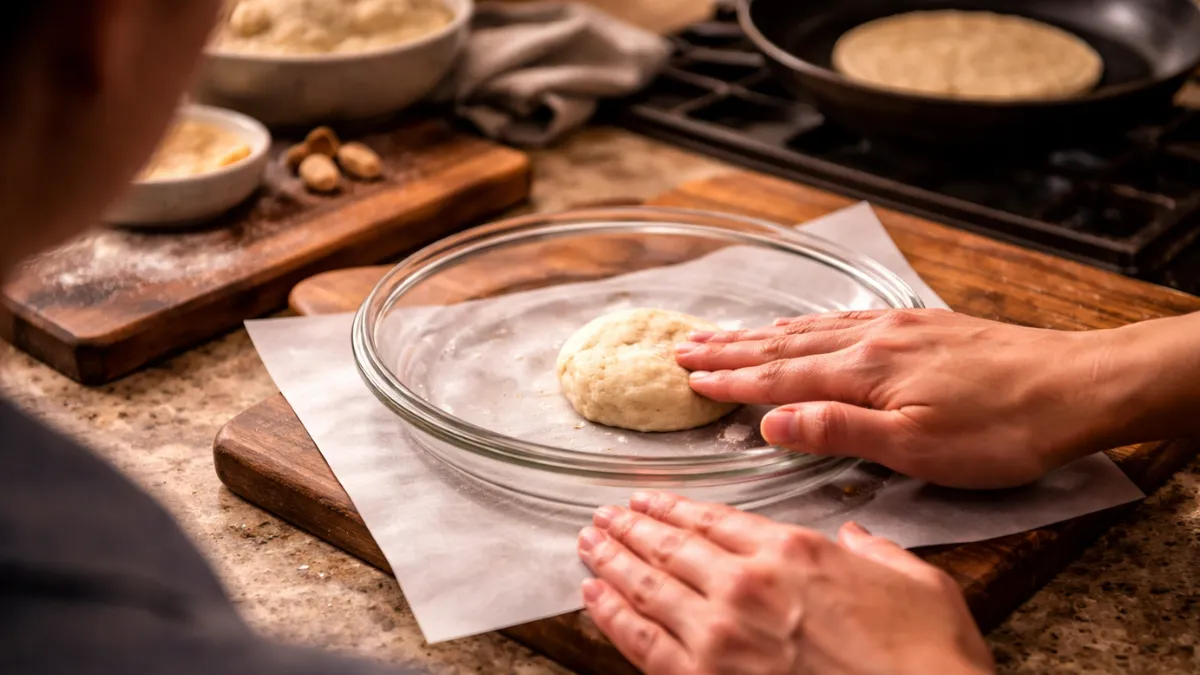
To flatten without a press, place a dough ball between two sheets of plastic. A zip-top bag cut open works well.
Use a flat, heavy object like a skillet, plate, or cutting board. Press down evenly until the tortilla is about 5–6 inches wide and uniformly thin.
Preheat a skillet or griddle over medium-high heat. It should be hot enough that water droplets sizzle instantly.
Carefully peel the tortilla from the plastic and place it onto the hot surface.
Cook for about 30 seconds, then flip. Cook the second side for another 30–45 seconds. You may see it puff slightly—that’s a good sign.
Flip once more for a few seconds to finish cooking.
Immediately place the cooked tortilla in a clean towel or tortilla warmer. Keep it covered to trap steam and maintain softness.
Repeat with the remaining dough.
Common Mistakes to Avoid
One of the most common mistakes is using the wrong dough consistency. If the dough cracks when you press it, it needs more water.
Another issue is uneven pressure. Pressing harder on one side creates uneven tortillas that cook inconsistently.
Many beginners also use low heat. This causes tortillas to dry out instead of cooking quickly, leading to stiffness.
Overcooking is another problem. Leaving tortillas on the pan too long removes too much moisture.
Finally, not covering cooked tortillas is a major mistake. Exposure to air quickly makes them dry and brittle.
Tips to Get Better Results
Use warm water when mixing the dough. It helps the masa hydrate more effectively.
If you’re in a dry climate or using air conditioning, cover your dough at all times. Even a few minutes of exposure can dry it out.
A cast iron skillet often gives the best results because it holds heat well and cooks evenly.
If your tortillas aren’t puffing, it may be due to uneven thickness or insufficient heat. Adjust both and try again.
For extra softness, you can lightly brush tortillas with a bit of water before cooking, especially if the dough feels slightly dry.
Stack tortillas as you cook them and keep them wrapped. The trapped steam helps them stay flexible.
Pros and Limitations
Making corn tortillas without a press is highly accessible. You don’t need special equipment, and you can still achieve excellent results with practice.
It also gives you flexibility. You can control thickness more precisely and adjust based on your preference.
However, it can be slightly slower than using a press, especially when making large batches.
Consistency may take time to master. Your first few tortillas may not be perfect, but improvement comes quickly with repetition.
Real-Life Example or Use Case
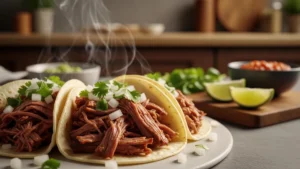
Imagine preparing taco night at home in a typical U.S. kitchen. You have fresh ingredients ready—grilled chicken, salsa, and chopped cilantro—but only store-bought tortillas on hand.
Instead of settling for packaged tortillas, you mix masa harina and water, shape the dough using a plate, and cook them fresh.
The difference is noticeable. The tortillas are softer, warmer, and more flavorful. They hold fillings better and elevate the entire meal.
This simple method turns a regular dinner into something that feels more authentic and satisfying, without requiring special tools.
Conclusion
Making soft corn tortillas at home without a press is completely achievable with the right technique. The key is understanding the dough, maintaining proper moisture, and using consistent pressure when shaping.
With a few simple tools and a bit of practice, you can create tortillas that are soft, flexible, and full of flavor.
This approach removes the barrier of needing special equipment and gives you full control over the process. Once you get comfortable, it becomes a reliable skill you can use anytime.
The result is not just better tortillas, but better meals overall—made with care, simplicity, and confidence.