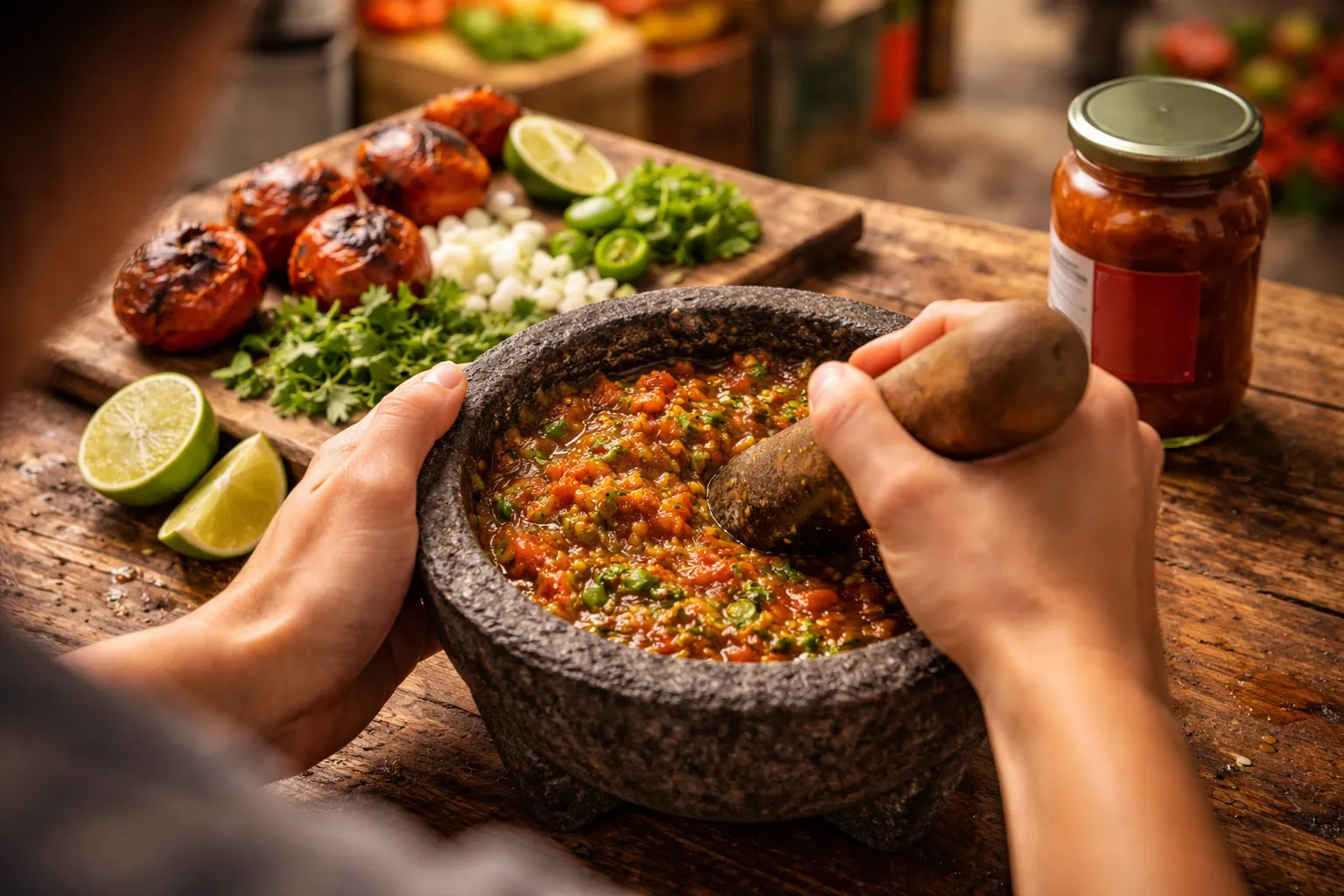
If you’ve ever opened a jar of store-bought salsa expecting fresh, bold flavor, you’ve probably felt a little disappointed. The taste can feel flat, overly salty, or just missing that vibrant kick you get at a good Mexican restaurant.
This is a common problem for home cooks across the United States. People want something quick and convenient, but they also want authentic flavor that feels fresh and real.
The good news is that making authentic Mexican salsa at home is much easier than most people think. With the right ingredients and a simple method, you can create a salsa that tastes brighter, fresher, and far more satisfying than anything you’ll find on a store shelf.
In this guide, you’ll learn exactly how authentic salsa works, why it tastes so different, and how to make it step by step using simple, accessible ingredients.
Understanding the Topic Clearly
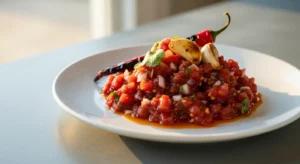
Authentic Mexican salsa is a fresh or lightly cooked sauce made from simple ingredients like tomatoes, chili peppers, onions, garlic, and herbs. It’s not meant to be thick, sugary, or heavily processed.
Unlike many store-bought options, traditional salsa focuses on balance. You get acidity from tomatoes and lime, heat from chilies, depth from roasted ingredients, and freshness from herbs like cilantro.
In real-life cooking, salsa is not just a dip. It’s used as a topping for tacos, grilled meats, eggs, and even rice dishes. It plays a key role in enhancing flavor rather than overpowering it.
Understanding this helps remove confusion. Salsa is not one fixed recipe—it’s a method and a balance of flavors.
Why This Problem or Topic Matters
Choosing between store-bought and homemade salsa affects more than just taste. It impacts freshness, nutrition, and how enjoyable your meals feel.
Many store-bought salsas contain preservatives, added sugars, and stabilizers. These ingredients extend shelf life but reduce the natural brightness of the flavors.
For example, if you’re making tacos at home and using jarred salsa, the meal may taste incomplete. The flavors don’t “pop,” and everything can feel slightly muted.
On the other hand, fresh salsa can completely transform simple meals. Even something basic like scrambled eggs or grilled chicken becomes more flavorful and satisfying.
This is why learning to make authentic salsa matters. It’s a small skill that makes a noticeable difference in everyday cooking.
Key Features / Core Explanation
Authentic Mexican salsa stands out because of a few core elements that work together.
First, freshness is essential. Ingredients like tomatoes, onions, and cilantro are used at their peak flavor. This creates a clean, natural taste that processed versions can’t match.
Second, the balance of flavors is carefully maintained. You get acidity, heat, salt, and sometimes a hint of smokiness. None of these elements should overpower the others.
Third, texture plays an important role. Authentic salsa is often slightly chunky or loosely blended. It should feel natural, not overly smooth like a sauce.
Fourth, chili peppers define the character of the salsa. Jalapeños, serranos, or other peppers are used depending on the desired heat level. This allows flexibility based on personal preference.
Finally, preparation methods matter. Some salsas use raw ingredients for a bright flavor, while others roast or char the ingredients to add depth and complexity.
These features combined create the difference between average salsa and something truly memorable.
Step-by-Step Guide / Practical Application
Making authentic Mexican salsa at home is simple when you follow a clear process.
Start by choosing fresh ingredients. You’ll need ripe tomatoes, one or two chili peppers (like jalapeño or serrano), a small onion, a clove of garlic, fresh cilantro, lime juice, and salt.
Next, decide your style. If you want a fresh salsa (salsa fresca), you’ll use raw ingredients. If you want deeper flavor, you can roast the tomatoes, garlic, and peppers on a skillet or under a broiler until slightly charred.
Chop the tomatoes into small pieces. Finely dice the onion and chili peppers. Mince the garlic. Keep everything evenly sized for better texture.
Place the ingredients into a bowl or a blender. If you prefer a chunkier salsa, mix by hand. If you want it slightly smoother, pulse it briefly in a blender. Avoid over-blending.
Add fresh lime juice and a pinch of salt. Taste and adjust. If it feels too acidic, add a bit more tomato. If it lacks brightness, add more lime.
Finally, mix in chopped cilantro. Let the salsa sit for 10–15 minutes before serving. This helps the flavors come together.
This simple method creates a fresh, balanced salsa that easily beats most store-bought versions.
Common Mistakes to Avoid
One common mistake is using unripe or low-quality tomatoes. This results in a bland salsa, no matter how well you prepare it.
Another issue is over-blending. When salsa becomes too smooth, it loses its natural texture and starts to feel more like a sauce than a fresh condiment.
Many people also add too much salt early on. It’s better to start with a small amount and adjust after tasting.
Skipping lime juice is another mistake. Acid is essential for balance. Without it, the salsa can feel flat and incomplete.
Using too many ingredients can also create problems. Authentic salsa is simple. Adding unnecessary spices or extras can muddy the flavor.
Avoiding these mistakes helps you achieve a cleaner, more authentic result.
Tips to Get Better Results
If you want your salsa to taste even better, focus on a few expert-level details.
Roasting your ingredients can dramatically improve flavor. Light charring adds a subtle smokiness that makes the salsa taste richer.
Letting the salsa rest before serving is another important tip. Even 15–20 minutes allows the flavors to blend naturally.
Use fresh lime juice instead of bottled versions. Fresh juice has a brighter and more natural taste.
Adjust heat gradually. Start with one chili pepper, taste, and then decide if you want more heat. This prevents overpowering the salsa.
If your salsa tastes too sharp, adding a small amount of finely chopped tomato can soften the flavor without adding sweetness.
These small adjustments can make a noticeable difference in the final result.
Pros and Limitations
Homemade authentic salsa has several clear advantages. It offers fresher flavor, better control over ingredients, and no unnecessary additives.
It’s also highly customizable. You can adjust spice level, texture, and acidity based on your preference.
However, there are a few limitations. Fresh salsa has a shorter shelf life and should be consumed within a few days.
It also requires a bit more effort than opening a jar, especially if you choose to roast ingredients.
Despite these limitations, most people find the improved taste and quality well worth the extra time.
Real-Life Example or Use Case
Consider a typical weekend taco night at home. You prepare grilled chicken, warm tortillas, and some basic toppings.
If you use store-bought salsa, the meal may feel average. The flavors are there, but nothing stands out.
Now imagine using fresh homemade salsa. The tomatoes taste bright, the lime adds freshness, and the chili brings just enough heat.
Suddenly, the same meal feels more complete and satisfying. Guests often notice the difference immediately, even if they can’t explain why.
This is how a simple homemade salsa can elevate everyday meals without requiring complex cooking.
Conclusion
Authentic Mexican salsa is simple, fresh, and built on balance rather than complexity. It relies on quality ingredients and straightforward preparation to deliver bold, natural flavor.
By understanding how salsa works and following a few key steps, you can easily create a version at home that tastes better than most store-bought options.
The difference comes down to freshness, control, and attention to detail. Even small adjustments can transform the final result.
Once you start making your own salsa, it quickly becomes a staple in your kitchen—one that enhances everyday meals and brings a more authentic flavor to your cooking.
FAQ’s
What type of tomatoes work best for salsa?
Ripe Roma tomatoes are a popular choice because they have good flavor and lower water content. However, any ripe, flavorful tomato can work well.
How spicy should authentic salsa be?
There is no fixed rule. Authentic salsa can range from mild to very spicy. It depends on the type and quantity of chili peppers used.
Can I store homemade salsa in the refrigerator?
Yes, but it’s best consumed within 2–3 days. Fresh salsa loses flavor over time and may become watery.
Is blending better than chopping?
Both methods are valid. Chopping gives a chunkier texture, while blending creates a smoother consistency. It depends on your preference.