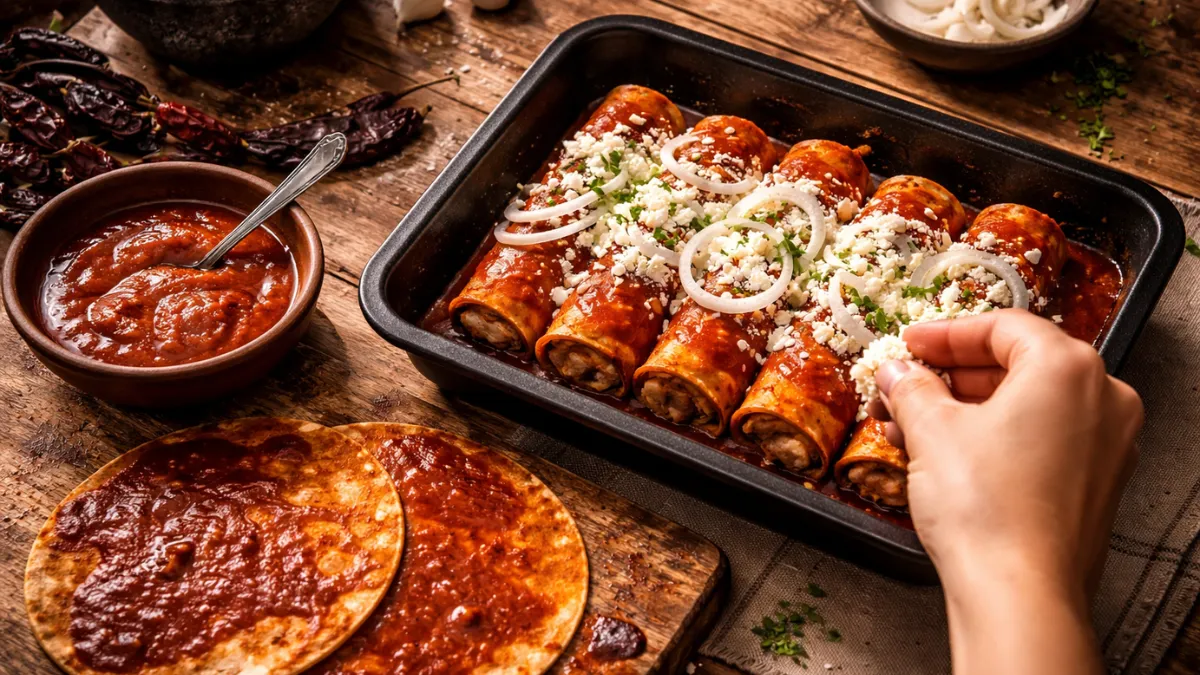
If you’ve ever tried making enchiladas at home and ended up with something overly cheesy, soggy, or lacking flavor, you’re not alone. Many recipes found online or in cookbooks are heavily adapted versions that drift far from traditional Mexican cooking methods.
Real Mexican enchiladas are simple, balanced, and deeply flavorful. The key lies in the sauce, the tortillas, and the technique—not in piling on ingredients. When done right, they deliver a rich, slightly smoky taste with a clean finish that feels authentic rather than heavy.
In this guide, you’ll learn exactly how to make real Mexican enchiladas with a homemade sauce from scratch. You’ll understand what makes them different, how to avoid common mistakes, and how to achieve restaurant-quality results in your own kitchen.
Understanding the Topic Clearly
Authentic Mexican enchiladas are corn tortillas dipped in a chile-based sauce, filled lightly, and served with minimal toppings. Unlike many American-style versions, they are not overloaded with cheese or baked into a casserole.
The sauce is the heart of the dish. It’s typically made from dried chiles like guajillo or ancho, blended with garlic, onion, and broth. This creates a smooth, rich base that coats the tortillas evenly.
Understanding this difference matters because it changes how you cook and assemble the dish. Instead of layering ingredients, you focus on balance, texture, and flavor harmony.
Why This Problem or Topic Matters
Many home cooks struggle with enchiladas because they follow recipes that prioritize convenience over authenticity. This often leads to soggy tortillas, bland sauce, or overpowering flavors.
In real-world cooking, especially in U.S. kitchens, ingredients and habits differ from traditional Mexican homes. People may use flour tortillas, canned sauces, or too much cheese, which changes the entire outcome.
Learning the authentic method helps you cook with intention. It also allows you to adjust flavors properly, avoid waste, and create a dish that feels lighter yet more satisfying.
Key Features / Core Explanation
Authentic enchiladas rely on a few essential components, each playing a specific role in the final dish.
The first is the chile-based sauce. It should have depth, mild heat, and a slightly earthy flavor. This is achieved by using dried chiles rather than powders or bottled sauces.
The second is the tortilla. Corn tortillas are essential because they absorb the sauce without breaking apart when handled correctly.
The third is the filling. Traditional fillings are simple, such as shredded chicken, beans, or cheese, and are used in moderate amounts to keep the focus on the sauce.
The fourth is the cooking method. Tortillas are lightly fried before dipping in sauce. This step prevents them from becoming soggy and enhances their flavor.
Finally, toppings are minimal. A sprinkle of cheese, sliced onions, or a bit of crema is enough to complement the dish without overpowering it.
Step-by-Step Guide / Practical Application
Start by preparing the homemade sauce. Take 4–5 dried guajillo chiles and 2 ancho chiles. Remove the stems and seeds, then toast them lightly in a dry pan for about 30 seconds per side. This step brings out their natural oils and flavor.
Place the toasted chiles in hot water and let them soak for 15–20 minutes until softened. Meanwhile, sauté one small onion and two cloves of garlic in a little oil until fragrant.
Blend the softened chiles with the sautéed onion, garlic, and about one cup of chicken or vegetable broth. Add a pinch of salt and blend until smooth. Strain the sauce to remove any remaining solids for a silky texture.
Pour the sauce into a pan and simmer for 10–15 minutes. This step thickens the sauce and deepens the flavor.
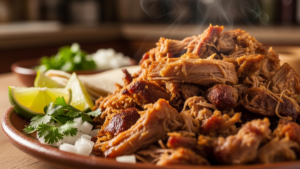
Next, prepare your filling. Shredded cooked chicken works well, especially rotisserie chicken in the U.S. because it saves time and still delivers good flavor.
Heat a small amount of oil in a pan. Lightly fry each corn tortilla for a few seconds on each side. The goal is to soften them, not make them crispy.
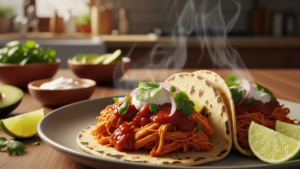
Dip each tortilla into the warm sauce, ensuring it is fully coated. Place a small amount of filling in the center, roll it gently, and place it on a plate.
Repeat the process for all tortillas. Once assembled, spoon extra sauce over the top and add a small amount of crumbled cheese or sliced onions if desired.
Serve immediately while warm. Authentic enchiladas are not typically baked after assembly, which keeps their texture soft but not mushy.
Common Mistakes to Avoid
One of the most common mistakes is skipping the step of frying the tortillas. Without this, the tortillas absorb too much sauce and fall apart easily.
Another issue is using store-bought enchilada sauce. These are often overly salty and lack the depth of real chile-based sauces, which affects the final taste significantly.
Overfilling the tortillas is also a problem. It makes them difficult to roll and shifts the balance away from the sauce, which should remain the main highlight.
Using flour tortillas instead of corn is another frequent mistake. Flour tortillas do not hold up the same way and change the texture of the dish entirely.
Lastly, baking the enchiladas with excessive cheese can turn them into a casserole-style dish rather than authentic enchiladas.
Tips to Get Better Results
Choose high-quality dried chiles whenever possible. Fresh, flexible chiles produce better flavor than brittle, old ones commonly found in poorly stocked stores.
Control the thickness of your sauce. If it’s too thick, add a bit more broth. If it’s too thin, simmer it longer to concentrate the flavors.
Work quickly when assembling. Warm tortillas and sauce are easier to handle and help maintain the right texture.
Taste your sauce before assembling. Adjust salt and balance early rather than after the dish is complete.
Use a simple garnish strategy. A small amount of queso fresco, crema, or raw onion adds contrast without overwhelming the dish.
Pros and Limitations
One of the main advantages of authentic enchiladas is their balanced flavor. They are lighter than many Americanized versions and allow each ingredient to stand out.
They are also flexible. You can use chicken, beans, or even vegetables as fillings depending on what you have available.
However, making the sauce from scratch takes more time than using pre-made options. This can be a limitation for busy home cooks.
Another consideration is ingredient availability. Some dried chiles may not be easily found in every grocery store, especially outside major cities.
Despite these limitations, the improvement in taste and authenticity is usually worth the extra effort.
Real-Life Example or Use Case
Imagine preparing dinner for a small family gathering in the U.S. Instead of serving heavy, cheese-loaded enchiladas, you prepare a batch using homemade sauce and lightly filled tortillas.
The result is a dish that feels homemade, thoughtful, and different from typical restaurant versions. Guests notice the flavor depth and the lighter texture, making it easier to enjoy without feeling overly full.
This approach also works well for meal prep. You can make the sauce ahead of time and store it in the refrigerator, making weeknight cooking faster and more efficient.
Conclusion
Making real Mexican enchiladas with homemade sauce is about understanding balance, technique, and simplicity. When you focus on the sauce, use proper tortillas, and avoid overloading the dish, the results are noticeably better.
This method may take a bit more time, but it gives you full control over flavor and texture. It also helps you move beyond overly processed or heavy versions of the dish.
With the steps and tips shared here, you can confidently prepare enchiladas that feel authentic, satisfying, and worth repeating in your regular cooking routine.
FAQ’s
What type of chiles should I use for authentic enchilada sauce?
Guajillo and ancho chiles are the most commonly used. They provide a mild heat and rich, earthy flavor that forms the base of traditional enchilada sauce.
Can I make enchiladas without frying the tortillas?
You can, but it’s not recommended. Frying helps maintain structure and prevents the tortillas from becoming soggy when dipped in sauce.
Is it okay to use store-bought sauce?
While convenient, store-bought sauces often lack depth and can be overly salty. Homemade sauce provides better control over flavor and quality.
What is the best filling for authentic enchiladas?
Shredded chicken is a popular choice, but beans or cheese are also traditional. The key is to keep the filling simple and not overpower the sauce.