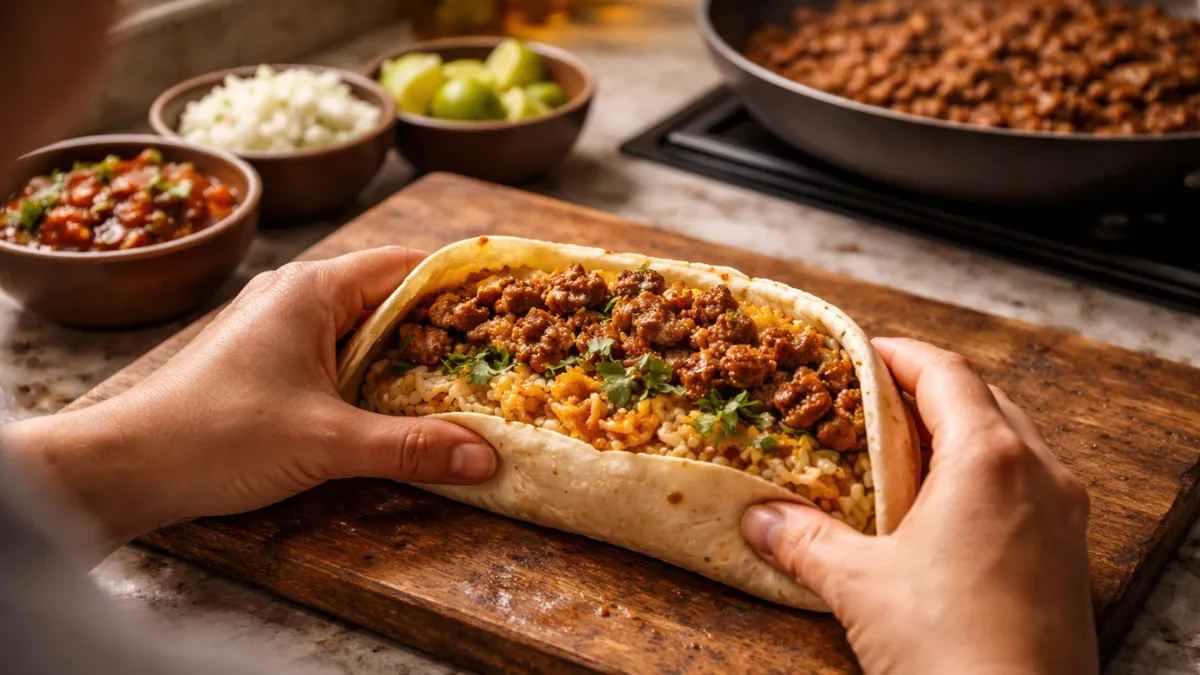
If you’ve ever tried making beef burritos at home and felt like something was missing, you’re not alone. Many home cooks follow recipes that look correct but end up with flavors that feel flat, overly heavy, or closer to fast-food style than anything you’d find in a traditional Mexican kitchen.
The difference usually isn’t about skill—it’s about understanding ingredients, technique, and balance. Real Mexican-style burritos rely on simple components prepared with care, not overloaded fillings or excessive sauces.
In this guide, you’ll learn how to make classic beef burritos with authentic flavor, using practical steps and realistic ingredients you can find in the U.S., UK, or Australia. By the end, you’ll understand not just what to do, but why each step matters.
Understanding the Topic Clearly
A classic beef burrito, in its traditional sense, is a flour tortilla filled with seasoned beef and a few complementary ingredients like beans, rice, or salsa. Unlike many restaurant versions in the U.S., authentic burritos are not overloaded with cheese, sour cream, or heavy sauces.
The focus is on balance. Each ingredient has a purpose, and the beef is usually the highlight rather than just one of many fillings. The seasoning is subtle but layered, often built from garlic, onion, cumin, and chili rather than pre-made spice mixes.
Understanding this difference helps you avoid the most common mistake—turning a burrito into a heavy, overfilled wrap instead of a well-balanced meal.
Why This Problem or Topic Matters
When burritos are made without understanding authentic flavor, the result often feels greasy, overly salty, or one-dimensional. This is especially common when using store-bought seasoning packets or too many toppings.
For many people in the U.S., burritos are a regular meal choice, whether at home or from restaurants. Learning how to prepare them properly can improve both taste and nutrition while giving you more control over ingredients.
It also helps you appreciate the cultural roots of the dish. Instead of replicating a fast-food version, you’re creating something closer to traditional cooking methods that prioritize freshness and simplicity.
Key Features / Core Explanation
Authentic beef burritos rely on a few core principles that shape the final result.
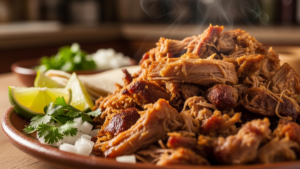
First, the beef should be well-seasoned but not overpowering. Cuts like ground beef, skirt steak, or flank steak work well, depending on your preference. The seasoning is typically built from fresh aromatics and spices rather than pre-mixed packets.
Second, the tortilla matters more than most people realize. A soft, fresh flour tortilla that can hold fillings without tearing is essential. Warming it properly improves both texture and flavor.
Third, balance is key. Instead of adding many ingredients, focus on a few that complement each other. For example, rice adds structure, beans add creaminess, and salsa adds acidity.
Finally, cooking technique plays a major role. Properly browning the beef, layering flavors, and assembling the burrito correctly all contribute to a better result.
Step-by-Step Guide / Practical Application
Start by preparing your ingredients before cooking. This includes chopping onions, mincing garlic, and measuring spices. Having everything ready helps you cook efficiently and avoid overcooking.
Heat a skillet over medium-high heat and add a small amount of oil. Once hot, add the beef and let it sear without stirring for a minute or two. This helps develop flavor through browning.
Add chopped onions and cook until softened. Then add garlic, cumin, chili powder, salt, and a small amount of oregano. Stir well to coat the beef evenly and allow the spices to bloom in the heat.
If using ground beef, cook until fully browned and slightly crispy in spots. If using sliced steak, cook until just done to avoid toughness. Adjust seasoning as needed.
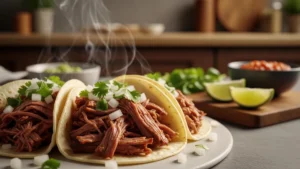
Warm your tortillas in a dry pan or directly over a flame for a few seconds per side. This makes them more flexible and enhances their flavor.
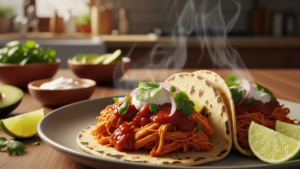
To assemble, place a portion of beef in the center of the tortilla. Add rice, beans, and a small amount of salsa. Avoid overfilling, as this makes rolling difficult.
Fold the sides inward, then roll from the bottom up, keeping the filling tight. If desired, place the burrito seam-side down in a hot pan for a light crisp.
Common Mistakes to Avoid
One of the most common mistakes is overloading the burrito with too many ingredients. This not only makes it hard to eat but also masks the flavor of the beef.
Another mistake is relying on pre-packaged seasoning mixes. These often contain excess salt and artificial flavors that don’t reflect authentic cooking.
Skipping the step of browning the meat properly can lead to a bland result. Browning creates depth and richness that simple cooking cannot achieve.
Using cold or stiff tortillas is another issue. This can cause tearing and uneven texture, making the burrito less enjoyable.
Finally, adding too much sauce or cheese can overwhelm the dish and make it heavy rather than balanced.
Tips to Get Better Results
Use fresh ingredients whenever possible. Fresh garlic, onions, and herbs provide a cleaner and more natural flavor than dried or processed alternatives.
Taste as you cook. Adjusting salt and spices during the cooking process helps you achieve the right balance without overcompensating at the end.
Keep portions controlled. A well-balanced burrito is easier to roll, easier to eat, and more enjoyable overall.
Experiment with different cuts of beef. For example, skirt steak offers a richer flavor, while ground beef is more convenient for everyday cooking.
Let the cooked beef rest briefly before assembling. This helps retain juices and prevents the tortilla from becoming soggy.
Pros and Limitations
Making classic beef burritos at home allows you to control ingredients, adjust flavors, and avoid unnecessary additives. It can also be more cost-effective than ordering from restaurants regularly.
However, it does require some time and attention, especially if you’re preparing everything from scratch. Finding high-quality tortillas and fresh ingredients may also take a bit of effort depending on your location.
While the process is straightforward, achieving the perfect balance may take a few attempts. Like most cooking skills, it improves with practice.
Real-Life Example or Use Case
Consider a typical weeknight dinner in a U.S. household. Instead of ordering takeout, you decide to prepare beef burritos using fresh ingredients.
You cook ground beef with onions, garlic, and spices, prepare simple rice, and use canned beans for convenience. Within 30–40 minutes, you have a meal that tastes fresher and more balanced than most fast-food options.
Over time, you adjust the recipe to suit your preferences, perhaps adding fresh cilantro or a squeeze of lime. The result is a reliable, customizable meal that fits into your routine without sacrificing quality.
Conclusion
Making classic beef burritos with real Mexican flavor is less about complexity and more about understanding the fundamentals. When you focus on quality ingredients, proper cooking techniques, and balanced assembly, the results improve significantly.
By avoiding common mistakes and following a clear, practical process, you can create burritos that feel authentic, satisfying, and far from ordinary fast-food versions.
With a bit of practice, this becomes a dependable meal you can prepare at home with confidence, delivering both flavor and consistency every time.
FAQ’s
What type of beef is best for burritos?
Ground beef is the most convenient option, but cuts like flank steak or skirt steak offer a more traditional flavor and texture when cooked properly.
Can I make burritos ahead of time?
Yes, you can prepare the filling in advance and store it in the refrigerator. Assemble and heat the burritos when ready to eat for the best texture.
Are burritos supposed to have rice and beans?
Not always. Traditional versions can be quite simple, but rice and beans are commonly added for texture and balance in many modern recipes.
How do I keep my burrito from falling apart?
Avoid overfilling, warm the tortilla before use, and roll it tightly. Placing it seam-side down can also help keep it intact.