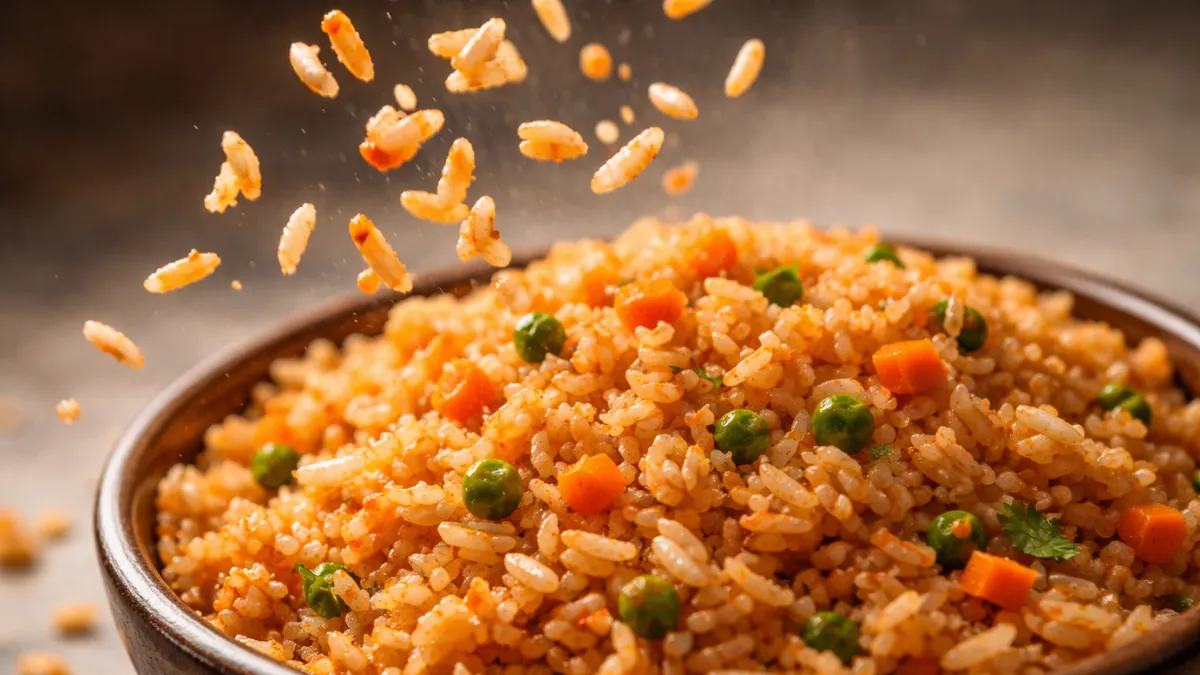
If you’ve ever tried making Mexican rice at home and ended up with mushy, sticky, or bland results, you’re not alone. Many home cooks follow recipes carefully but still struggle to get that light, fluffy texture you find in restaurants.
The difference isn’t just about ingredients. It’s about technique, timing, and a few small details that most recipes don’t explain clearly.
In this guide, you’ll learn exactly how to make homemade Mexican rice that turns out fluffy every time. By the end, you’ll understand what works, what doesn’t, and how to fix common issues without guesswork.
Understanding the Topic Clearly
Mexican rice, often called “Spanish rice” in the United States, is a seasoned rice dish cooked with tomato, broth, and aromatics like garlic and onion. It’s known for its slightly dry, fluffy texture and rich, savory flavor.
Unlike plain white rice, Mexican rice is first toasted in oil before cooking. This step changes both the texture and flavor, giving the grains a firmer structure and preventing clumping.
Understanding this difference is important because skipping or rushing the toasting step is one of the main reasons home versions fail.
Why This Problem or Topic Matters
Getting Mexican rice right matters more than it seems. It’s often served alongside tacos, enchiladas, grilled meats, or beans, and it plays a major role in balancing the meal.
If the rice is too soft or sticky, it can make the entire plate feel heavy. If it’s under-seasoned, it won’t complement the main dish properly.
For many families in the U.S., Mexican rice is a regular side dish. Learning to make it correctly saves time, reduces waste, and helps you create meals that feel complete and satisfying.
Key Features / Core Explanation
A reliable Mexican rice recipe comes down to a few core principles that control both texture and flavor.
The first key feature is using long-grain white rice. This type of rice stays separate when cooked and absorbs flavors evenly without becoming sticky.
The second is properly rinsing the rice. Washing removes excess starch, which helps prevent clumping during cooking.
The third is toasting the rice in oil before adding liquid. This step strengthens the grain structure and adds a subtle nutty flavor.
The fourth is using the right liquid ratio. Too much liquid leads to soggy rice, while too little leaves it undercooked.
The fifth is controlled cooking. Mexican rice should simmer gently and then rest, allowing steam to finish the process without overcooking.
Each of these elements works together. If even one step is rushed or skipped, the final result can suffer.
Step-by-Step Guide / Practical Application
Start by measuring one cup of long-grain white rice. Place it in a bowl and rinse it under cold water until the water runs mostly clear. This usually takes two to three rinses.
Drain the rice completely and let it sit for a few minutes. Removing excess water helps it toast properly in the next step.
Heat two tablespoons of neutral oil, such as vegetable or canola oil, in a medium saucepan over medium heat. Add the rice and stir continuously.
Toast the rice for about five to seven minutes. You’ll notice the grains turning slightly golden and giving off a nutty aroma. This step is essential for achieving a fluffy texture.
Once toasted, add finely chopped onion and minced garlic. Cook for another minute until fragrant, but avoid burning them.
Next, stir in tomato base. This can be tomato sauce or blended fresh tomatoes. Add about half a cup and mix well so the rice is evenly coated.
Pour in two cups of chicken broth or vegetable broth. Add salt to taste and a pinch of cumin if desired. Stir once to combine.
Bring the mixture to a gentle boil. Once it starts bubbling, reduce the heat to low and cover the pot with a tight-fitting lid.
Let the rice simmer undisturbed for about 15 to 18 minutes. Avoid lifting the lid during this time, as it releases steam and affects the cooking process.
After the liquid is absorbed, turn off the heat and let the rice rest, covered, for five to ten minutes. This resting period allows the grains to firm up.
Finally, fluff the rice gently with a fork. This separates the grains and gives you that light, restaurant-style texture.
Common Mistakes to Avoid
One common mistake is skipping the rinsing step. Unwashed rice contains excess starch, which leads to sticky and clumped results.
Another mistake is not toasting the rice long enough. If the grains aren’t properly coated and slightly browned, they won’t hold their structure during cooking.
Using the wrong water ratio is also a frequent issue. Adding too much liquid makes the rice mushy, while too little leaves it undercooked.
Many people also stir the rice too often after adding liquid. This breaks the grains and releases starch, which affects texture.
Lifting the lid during cooking is another problem. Steam is essential for even cooking, and releasing it can lead to uneven or dry spots.
Finally, skipping the resting time can result in rice that feels wet or dense. The rest period is not optional if you want consistent results.
Tips to Get Better Results
Use a heavy-bottomed pot if possible. It distributes heat more evenly and reduces the risk of burning the rice at the bottom.
Stick to long-grain white rice for best results. While other types can work, they often require adjustments in water and timing.
Keep the heat controlled. After bringing the rice to a boil, always reduce to low heat. High heat can cause the liquid to evaporate too quickly.
If you want extra flavor, sauté the rice with a small amount of finely diced carrot or tomato before adding liquid. This adds depth without complicating the process.
Taste your broth before adding it. If it’s already salty, adjust accordingly to avoid over-seasoning the dish.
For larger batches, maintain the same rice-to-liquid ratio. Doubling the recipe works well as long as the proportions stay consistent.
Pros and Limitations
Homemade Mexican rice has several advantages. It’s cost-effective, customizable, and free from unnecessary additives found in packaged versions.
It also allows you to control the flavor profile. You can adjust seasoning, spice level, and ingredients based on your preferences or dietary needs.
However, it does require attention to detail. Small mistakes in timing or measurement can affect the final result.
Another limitation is that it may take a few attempts to perfect. Even with a good method, slight adjustments may be needed based on your stove, cookware, and ingredients.
Despite these limitations, the process becomes simple and repeatable once you understand the fundamentals.
Real-Life Example or Use Case
Consider a typical weeknight dinner in a U.S. household. You’re preparing grilled chicken, beans, and a side of rice for the family.
If the rice turns out sticky or bland, the meal feels incomplete. The flavors don’t balance, and the texture doesn’t match the rest of the plate.
Now imagine using the method described above. The rice is fluffy, lightly seasoned, and holds its shape. It complements the protein and absorbs sauces without becoming soggy.
This small improvement can make the entire meal feel more satisfying and restaurant-quality, even though it’s prepared at home.
Conclusion
Making homemade Mexican rice that turns out fluffy every time is not about complicated techniques. It’s about understanding a few key steps and applying them consistently.
Rinsing, toasting, using the right liquid ratio, and allowing proper cooking and resting time all play a role in the final result.
Once you follow this method, you’ll notice a clear difference in both texture and flavor. The rice will be light, well-seasoned, and reliable every time you make it.
With a little practice, this recipe becomes a dependable part of your cooking routine, helping you create meals that feel complete, balanced, and satisfying.
FAQ’s
What type of rice works best for Mexican rice?
Long-grain white rice is the best choice because it cooks into separate, fluffy grains and absorbs flavors evenly without becoming sticky.
Can I use brown rice instead?
Yes, but it requires more liquid and a longer cooking time. The texture will also be slightly firmer compared to traditional Mexican rice.
Why does my rice turn out mushy?
This usually happens بسبب too much liquid, not rinsing the rice, or stirring too much أثناء cooking. Each of these releases excess starch or adds moisture.
Can I make this recipe vegetarian?
Yes, simply replace chicken broth with vegetable broth. The flavor remains rich, especially if you use a well-seasoned broth.